

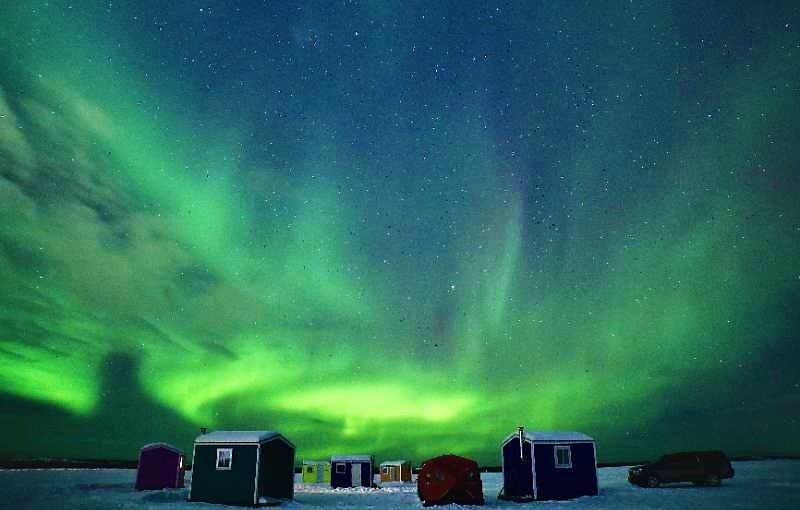
The northern lights are one of the few natural wonders that can leave even seasoned travellers speechless. Solar activity is still elevated after the recent solar maximum, which makes the 2026 to 2027 season an excellent moment to chase the aurora. This guide ranks the best northern lights destinations for 2026, explains when to go, and shares practical tips so your trip delivers the show you are hoping for.
What Makes a Great Northern Lights Destination?
Not every dark sky is a good aurora sky. The best destinations share a few traits:
- Location under the auroral oval: The ring of highest activity around the magnetic pole, where displays are most frequent.
- Clear, dry weather: Cloud cover is the biggest reason people miss the lights, so climate matters as much as latitude.
- Low light pollution: Dark skies reveal fainter colours and finer detail.
- Easy access and good infrastructure: Reliable flights, warm accommodation and local guides make a big difference.
Top Northern Lights Destinations for 2026
1. Yellowknife, Canada
Yellowknife sits directly beneath the auroral oval and is known for its dry climate and high share of clear nights. It is a favourite for first-time aurora chasers because sightings are frequent and viewing sites are close to town. Best time: late August to mid-September, and mid-November to early April. For a hassle-free trip, explore Yellowknife aurora tours and packages that handle transport, viewing locations and warm shelter for you.
2. Whitehorse, Yukon, Canada
Whitehorse pairs strong aurora odds with mountain scenery, hot springs and winter adventures such as dog sledding. Best time: September, and December through March.
3. Churchill, Manitoba, Canada
Best known for polar bears, Churchill also offers long, dark winter nights under an active auroral zone. Best time: February and March.
4. Tromsø, Norway
Tromsø is one of Europe’s most popular aurora hubs, with a lively city atmosphere and plenty of guided excursions. Coastal weather can be changeable, so staying several nights helps. Best time: late September to late March.
5. Lapland, Finland
Finnish Lapland is famous for glass-roofed igloos, husky safaris and snowy forests. It is a strong choice for families and anyone who wants comfort alongside the lights. Best time: September to March.
6. Iceland
Iceland combines accessible aurora viewing with waterfalls, glaciers and geothermal lagoons. Weather can shift quickly, so build flexibility into your itinerary. Best time: September to March.
7. Fairbanks, Alaska, USA
Fairbanks sits under the auroral oval and has a long tradition of aurora tourism. Its inland location often means cold, clear skies. Best time: late August to April.
8. Abisko, Sweden
Abisko is known for a stretch of sky that often stays clear thanks to local weather patterns near the mountains, and it hosts a well-known aurora observation site. Best time: September to March.
Which Destination Is Best for You?
- Best overall odds: Yellowknife, thanks to its location and dry, clear climate.
- Best for scenery and adventure: Whitehorse and Iceland.
- Best for comfort and families: Finnish Lapland.
- Best for combining city life with the lights: Tromsø.
- Best for wildlife and aurora together: Churchill.
Why Choose Aurora Borealis Vacation Packages?
Booking separate flights, hotels, transfers and tours can be time-consuming, and mistakes can cost you valuable viewing nights. Well-designed aurora borealis vacation packages bring everything together in one plan. Typical benefits include:
- Multiple viewing nights to improve your chances around cloud cover and changing solar activity.
- Local guides who know the best dark-sky locations and read the forecast daily.
- Warm viewing shelters so you can relax between displays.
- Photography support to help you capture sharp images of the aurora.
- Daytime activities such as dog sledding, snowshoeing and ice fishing.
How to Plan Your 2026 Northern Lights Trip
- Pick your season. Late August to September and February to March are often the sweet spots for strong activity and comfortable conditions.
- Stay at least three to four nights. Weather and solar activity change nightly, so more nights means better odds.
- Choose a new moon window. A dark, moonless sky makes fainter displays easier to see.
- Pack for the cold. Bring insulated boots, thermal layers, a parka, mittens and a warm hat.
- Bring the right camera gear. A sturdy tripod and a camera with manual settings are essential.
- Book early. The best dates and tours sell out well in advance.
Final Thoughts
Whether you choose the clear skies of Yellowknife, the fjords of Norway or the glass igloos of Finland, 2026 is a fantastic year to see the northern lights. Pick your destination, choose the right season and give yourself plenty of nights to watch the sky. Have questions about dates or itineraries? Contact us and our team will help you plan.
