

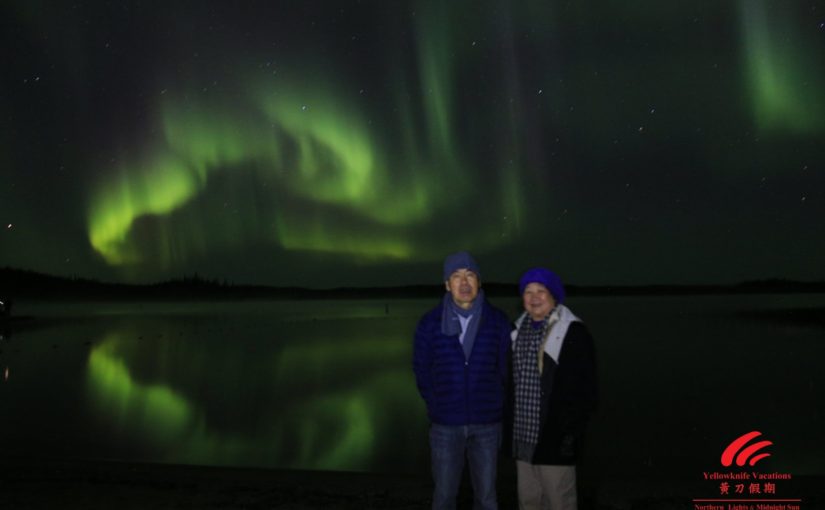
Seeing the northern lights dance across a Canadian sky is a bucket-list experience, but a great trip does not happen by accident. Timing, location, weather and gear all shape your chances. This step-by-step guide shows you how to plan a trip to see the northern lights in Canada, whether you are travelling as a couple, with friends or with kids in tow.
Step 1: Choose the Right Time of Year
The aurora is active all year, but you need dark skies to see it. In northern Canada, that means the viewing season runs from late August to mid-April. The strongest windows are:
- Late August to September: Dark skies return, temperatures are mild and lakes are still open.
- Mid-November to early April: Long, dark winter nights with generally clear, dry skies.
- Equinox months (September and March): Geomagnetic activity tends to be more frequent, which often means more vivid displays.
Solar activity is still elevated after the recent solar peak, so the 2026 to 2027 season is a strong time to go.
Step 2: Pick the Best Location
The best places sit under the auroral oval, the ring of highest activity around the magnetic pole, and enjoy clear, dry weather and low light pollution.
- Yellowknife, Northwest Territories: Widely seen as Canada’s top aurora destination thanks to its location and high share of clear nights.
- Whitehorse, Yukon: Strong aurora odds plus mountain scenery, hot springs and dog sledding.
- Churchill, Manitoba: Long winter nights, with February and March as the best months.
- Jasper Dark Sky Preserve, Alberta: An easier-to-reach option, best during strong solar activity.
Step 3: Decide How Many Nights to Stay
Cloud cover and solar activity change from night to night, so one night is a gamble. Plan at least three to four nights to give yourself several chances. The best viewing window is usually between 10 p.m. and 3 a.m., and a new moon or thin crescent keeps the sky darkest.
Step 4: Consider a Guided or Packaged Trip
Planning flights, accommodation, winter clothing, transport and viewing locations yourself can be overwhelming, especially in the cold and dark. Guided trips remove the guesswork with local expertise, warm viewing shelters and pre-arranged transport.
If you are travelling with children, a northern lights canada packages is often the easiest way to go. Family-friendly packages typically include:
- Comfortable, heated viewing spots so kids can warm up between displays.
- Earlier viewing options and flexible schedules that suit younger travellers.
- Daytime activities such as dog sledding, snowshoeing and ice fishing.
- Guides who know the area and handle logistics, so parents can relax and enjoy the show.
Before booking any family trip, check age guidelines for activities and ask about cold-weather clothing rental.
Step 5: Pack for the Cold
Northern Canadian winter nights can be extremely cold, so layering is essential:
- Insulated, waterproof winter boots and wool socks
- Thermal base layers and mid layers
- A warm parka, snow pants, a hat, a neck warmer and insulated mittens
- Hand and toe warmers
- A headlamp with a red-light setting
- A sturdy tripod and a camera with manual settings
For kids, pack an extra set of layers and a thermos of a warm drink.
Step 6: Track the Forecast and Stay Flexible
Check the aurora forecast, the Kp index and local cloud cover each day. Keep your evenings free, rest in the afternoon and be ready to head out when the sky clears. Remember that the lights can appear late at night, so a nap beforehand helps everyone, especially children.
Step 7: Book Early
Peak months, especially February and March, sell out quickly. Booking well ahead gives you the best choice of dates, tours and accommodation.
Sample Planning Timeline
- 6 to 12 months before: Choose your destination and travel window, and check school holiday dates.
- 4 to 6 months before: Book flights, accommodation and your tour or package.
- 1 to 2 months before: Arrange winter clothing and camera gear.
- 1 week before: Check the weather and aurora forecast, and confirm transport and tour times.
- During your trip: Rest during the day, dress in layers and watch the sky each night.
Final Thoughts
Planning a northern lights trip in Canada comes down to choosing the right season, the right location and giving yourself enough nights to watch the sky. Add warm gear, a flexible mindset and expert local help, and you set yourself up for an unforgettable experience. Have questions about dates or itineraries? Contact us and our team will help you plan.
