

A northern lights getaway is unlike any other holiday. Your days are quiet and your nights are the main event, with the sky becoming the star attraction. But if you have never chased the aurora before, it can be hard to know what a trip really looks like. How cold will it be? What happens if the sky is cloudy? What will you do between sunset and the lights appearing? This guide explains what to expect on an aurora-focused getaway, so you can plan with confidence.
What Is an Aurora-Focused Getaway?
An aurora-focused getaway is a trip built around giving you the best possible chance of seeing the northern lights. That means choosing a destination under the auroral oval, travelling in the dark-sky season and staying long enough to allow for changing weather and solar activity. Most trips combine several nights of viewing with daytime activities, so the holiday feels full even when the lights take their time.
What a Typical Aurora Getaway Looks Like
Every trip is different, but many follow a similar rhythm:
- Arrival and orientation: You arrive, settle in and meet your guide or tour team. Many operators go over safety, cold-weather tips and how aurora viewing works.
- Daytime activities: With long nights ahead, days are often relaxed. Think dog sledding, snowshoeing, ice fishing or exploring local culture.
- Early evening rest: Because the lights often appear late, many travellers nap or have an early dinner before heading out.
- Night viewing: You head to a dark-sky location, usually around 10 p.m., and watch the sky until the early hours.
- Sleeping in: The morning after a late night is often unhurried.
What Is Typically Included in Northern Lights Vacation Packages?
Well-designed northern lights vacation packages aim to take care of the details so you can focus on the sky. Inclusions vary by operator, but commonly include:
- Guided aurora viewing: Local guides who know the best dark-sky spots and monitor forecasts and cloud cover.
- Heated viewing shelters: A warm place to rest between displays.
- Transportation: Transfers to and from viewing sites, so you do not have to drive in the cold and dark.
- Multiple viewing nights: Several evenings to improve your chances.
- Accommodation: Hotel or lodge stays are often bundled in.
- Daytime experiences: Winter activities to fill your days.
- Cold-weather gear: Some packages offer rental parkas and boots.
Always confirm exactly what is covered before you book, as packages differ in what they include.
What Will the Northern Lights Actually Look Like?
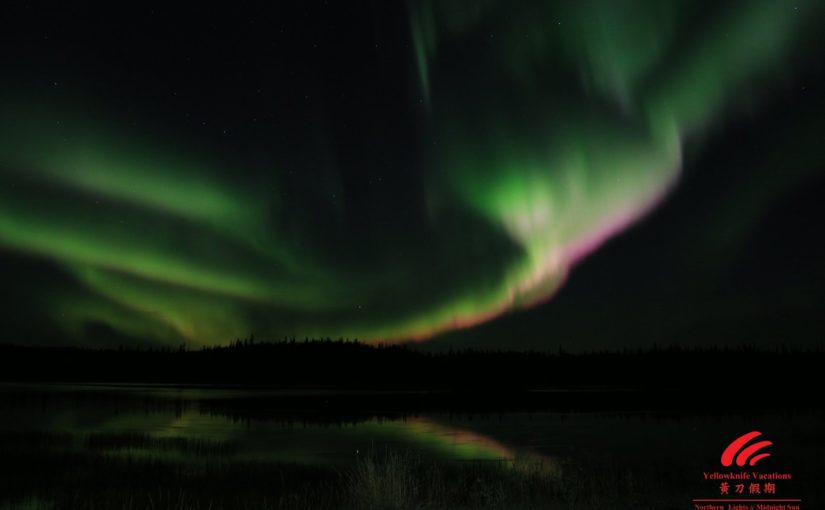
Expectations matter. To the naked eye, the aurora often appears as a soft green glow or pale arc, and it can shift into moving curtains and ribbons during stronger activity. Cameras tend to capture more colour than the human eye sees, so photos can look more vivid than reality. Stronger displays can bring pinks, purples and reds, but these are less common. Some nights are subtle and others are spectacular, which is why staying several nights is so valuable.
What If the Weather Is Cloudy?
Cloud cover is the most common reason people miss the aurora. Good operators monitor local conditions and may adjust where they take you. Even so, there are no guarantees, because the northern lights depend on both solar activity and clear skies. The best protection is to book at least three to four nights and keep your schedule flexible.
When Is the Best Time for an Aurora Getaway?
The viewing season in northern Canada runs from late August to mid-April. The main windows are:
- Late August to September: Dark skies return, temperatures are milder and activity is often strong around the equinox.
- Mid-November to early April: Long, dark nights with generally clear, dry skies, though it can be very cold.
- March: Another equinox period, often with strong activity and slightly more comfortable weather.
Solar activity is still elevated after the recent solar peak, so the 2026 to 2027 season is a promising time to go. The best viewing hours are typically between 10 p.m. and 3 a.m., and a new moon helps keep the sky dark.
How Cold Will It Be?
In winter, nights in northern Canada can be extremely cold, often well below freezing. The good news is that with the right layers it is manageable, and viewing shelters give you a place to warm up. Wind makes cold feel more intense, so cover exposed skin and keep moving between displays.
What to Pack for an Aurora Getaway
- Insulated, waterproof boots and wool socks
- Thermal base layers and a fleece or wool mid layer
- A heavy parka, snow pants, a warm hat and a neck warmer
- Insulated mittens plus thin liner gloves for camera use
- Hand and toe warmers
- A headlamp with a red-light setting
- A sturdy tripod, a camera with manual settings and spare batteries (cold drains them fast)
- A thermos for a warm drink
Tips to Make the Most of Your Trip
- Stay at least three to four nights to improve your odds.
- Rest in the afternoon so you have energy for late-night viewing.
- Give your eyes time to adjust. It takes about 15 to 20 minutes to adapt to the dark.
- Keep your phone screen dim or use a red-light mode.
- Check the forecast daily, including the Kp index and cloud cover.
- Stay patient. The lights can appear in bursts, so be prepared to wait.
Final Thoughts
An aurora-focused getaway is as much about the experience as the lights themselves: the quiet, the cold, the anticipation and the shared moment when the sky begins to glow. Choose the right season, give yourself several nights and pack for the cold, and you set yourself up for a trip you will remember. Have questions about dates or itineraries? Contact us and our team will help you plan.
