

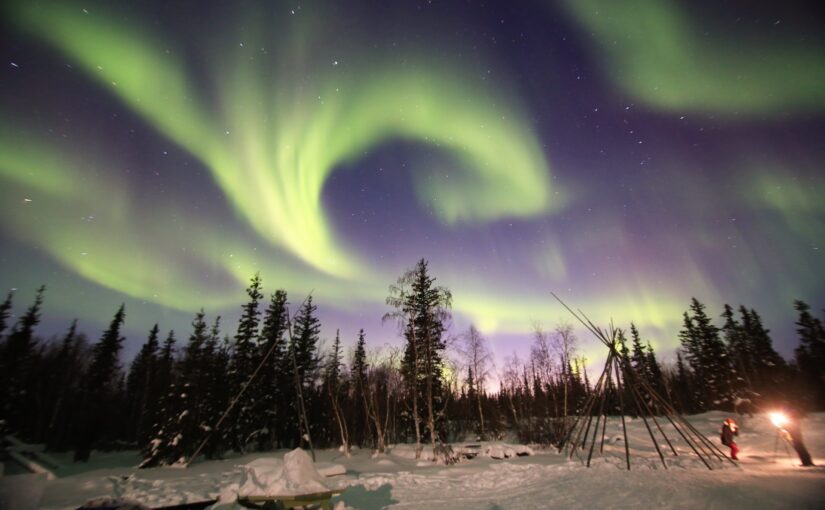
Yellowknife is one of the most reliable places on Earth to see the northern lights, and a well-planned aurora tour package takes the stress out of chasing them. Instead of researching viewing sites, arranging transport in sub-zero nights and hunting for warm gear, you can focus on the sky. This guide explains what a Yellowknife aurora tour package typically includes, how to choose the right one, and how to plan your trip from start to finish.
Why Choose Yellowknife for the Northern Lights?
Yellowknife sits directly beneath the auroral oval, the ring of highest aurora activity around the magnetic pole. Its dry climate brings a high share of clear nights, and viewing spots outside town offer dark skies without a long drive. That combination is why so many travellers, from first-timers to seasoned photographers, make it their aurora destination.
What Is Typically Included in a Yellowknife Aurora Tour Package?
Packages vary by operator and price, so always confirm the details before you book. Most aim to cover the following:
- Guided aurora viewing: Local guides take you to dark-sky locations and read the forecast and cloud cover each night.
- Heated viewing shelters: Warm cabins, tipis or lodges let you step inside between displays.
- Transportation: Transfers to and from viewing sites, so you are not driving on cold, dark roads.
- Multiple viewing nights: Several evenings improve your chances when clouds or low activity get in the way.
- Accommodation: Many packages bundle hotel or lodge stays with the tour.
- Photography support: Guides can help you set up your camera for sharp aurora images.
- Daytime experiences: Options such as dog sledding, snowshoeing, ice fishing and cultural activities.
Some packages also offer cold-weather clothing rental, which can save you from buying expensive gear for a single trip.
Questions to Ask Before You Book
A few quick questions help you compare packages with confidence:
- How many viewing nights are included, and what happens if the weather is poor?
- Is transport to the viewing site included, and where does pickup happen?
- What is the group size, and is there a heated shelter on site?
- Is winter clothing available to rent, and is it included in the price?
- Are meals, drinks or snacks provided during the evening?
- What are the cancellation and rebooking terms?
Planning a Trip With Kids? Consider a Family Package
Late nights and freezing temperatures can be tough on younger travellers. A Yellowknife aurora tour package is designed to make the experience smoother for parents and children alike. Look for options that offer:
- Warm, comfortable viewing areas where kids can recharge between displays.
- Flexible timing that works around bedtimes and energy levels.
- Kid-friendly daytime activities such as snowshoeing or dog sledding.
- Clear age guidelines for each activity and tour.
Ask the operator about minimum ages, cold-weather clothing sizes and any extra support for families before you confirm your booking.
When Is the Best Time to Visit Yellowknife?
The aurora viewing season runs from late August to mid-April. The main windows are:
- Late August to mid-September: Mild weather, dark skies returning and, often, reflections on open lakes.
- Mid-November to early April: Long, dark nights and crisp, clear skies, though temperatures can be extreme.
- Equinox periods: September and March tend to see more frequent geomagnetic activity.
Solar activity remains elevated after the recent peak, so the 2026 to 2027 season is a strong time to go. Plan for at least three to four nights, and note that the best viewing window is usually between 10 p.m. and 3 a.m.
How to Plan Your Trip Step by Step
- Choose your dates. Match your travel window to the season and, if possible, a new moon period for the darkest skies.
- Compare packages. Check inclusions, group size, number of nights and cancellation terms.
- Book flights and accommodation early. Peak months, especially February and March, fill up fast.
- Prepare your gear. Rent or buy insulated boots, thermal layers, a parka, mittens and a warm hat.
- Pack for photography. Bring a sturdy tripod, spare batteries and a camera with manual settings.
- Stay flexible. Rest in the afternoon, keep your evenings free and be ready to head out when the sky clears.
What to Pack for Yellowknife in Winter
- Insulated, waterproof boots and wool socks
- Thermal base layers and a mid layer such as fleece
- A heavy parka, snow pants, a warm hat and a neck warmer
- Insulated mittens plus thin liner gloves for using your camera
- Hand and toe warmers
- A headlamp with a red-light setting
- A thermos for a warm drink
Final Thoughts
A Yellowknife aurora tour package turns a complicated trip into a simple, comfortable adventure. Choose the right season, compare what is included, and give yourself several nights under the sky. Have questions about dates or itineraries? Contact us and our team will help you plan.
