

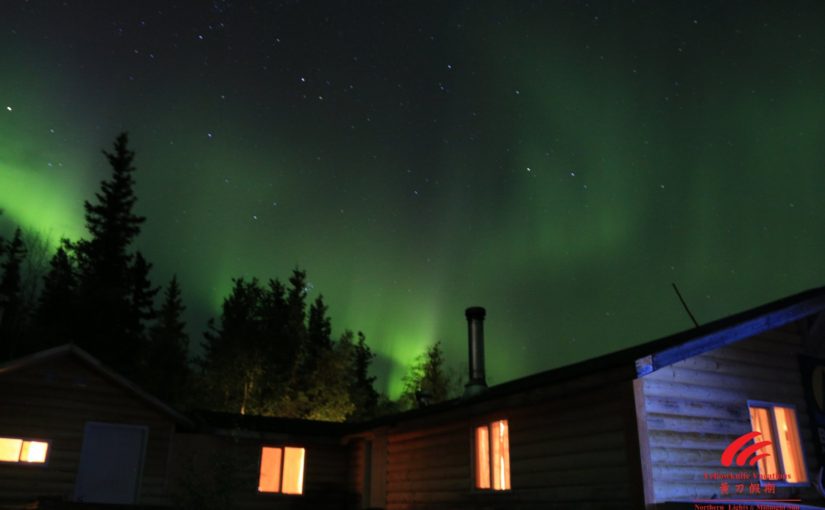
Yellowknife, the capital of Canada’s Northwest Territories, sits on the shore of Great Slave Lake, close to the Arctic wilderness and directly beneath the auroral oval. It offers far more than a night under the northern lights. From dog sledding across frozen lakes to paddling under a midnight sun, the city is a base for some of the most memorable adventures in the Canadian North. Here are seven Arctic experiences worth adding to your Canada trip, and how to combine them smoothly.
Why Add Yellowknife to Your Canada Itinerary?
Most visitors to Canada head to the big cities and the Rockies. Yellowknife offers something different: wide-open northern landscapes, dark skies, a rich Indigenous heritage and a small-city feel with easy access to the wild. Because it is compact, you can move from town to a wilderness setting in a short drive, which makes it ideal for short and long trips alike.
1. Chase the Northern Lights
Yellowknife is widely regarded as one of the best places in the world to see the aurora borealis. Its position under the auroral oval and its dry climate mean a high share of clear nights. The viewing season runs from late August to mid-April, and the best window is usually between 10 p.m. and 3 a.m. Plan at least three to four nights to give yourself several chances, and consider a guided option with heated viewing shelters so you can stay warm between displays.
2. Go Dog Sledding
Gliding across a snowy landscape behind a team of huskies is one of the most iconic winter activities in the North. Whether you ride as a passenger or learn to mush yourself, it is a thrilling way to experience the quiet of the winter wilderness. Dog sledding pairs well with an aurora trip because it fills your days while your evenings stay free for the lights.
3. Try Ice Fishing on Great Slave Lake
Great Slave Lake is one of the largest lakes in North America, and in winter it freezes into a vast, white expanse. Ice fishing outings give you a taste of local northern life, and guides handle the equipment and teach the technique. It is a relaxed, social activity that suits beginners and families.
4. Explore on Snowshoes or Cross-Country Skis
Snowshoeing and cross-country skiing let you explore boreal forest trails at your own pace. They are easy to learn, suitable for many fitness levels and a great way to enjoy the quiet beauty of snow-covered spruce and birch.
5. Discover Yellowknife’s Culture and History
Yellowknife has a rich Indigenous heritage and a history shaped by the fur trade and mining. Look for opportunities to learn about Dene culture and northern traditions through guided experiences, museums and local artists. Wandering the waterfront area known as Old Town gives you a sense of the city’s character, with its houseboats, floatplane base and independent cafes and galleries.
6. Experience the Midnight Sun
Winter is not the only season to visit. In summer, the days are extremely long, with sunlight stretching late into the night. It is a magical time for paddling, hiking, fishing and exploring the lake and nearby trails. Summer is also a quieter season for visitors, which can mean more space and more flexibility in your schedule.
7. Take a Scenic Flight or Day Trip Into the Wilderness
The North is vast, and seeing it from above or venturing beyond town gives a sense of scale you will not forget. Options may include scenic flightseeing and guided outings along trails and lakes outside the city. Availability varies by season, so check what is offered for your travel dates.
How Yellowknife Tour Packages Bring It All Together
Combining several of these activities can mean juggling bookings, transport, accommodation and gear. Well-designed Yellowknife tour packages bundle the pieces into one plan, so you spend less time organizing and more time enjoying. Typical benefits include:
- Local expertise: Guides know the best viewing spots, trails and timing.
- Simplified logistics: Transport, accommodation and activities coordinated in one itinerary.
- Cold-weather support: Some packages offer winter clothing rental and warm shelters.
- Flexible options: Choose a short getaway or a longer multi-activity trip.
- Better value: Bundling can reduce planning stress and help you budget more clearly.
Inclusions differ by package, so always confirm what is covered before you book.
Best Time to Visit Yellowknife
- Late August to mid-September: Mild weather, dark skies returning and fewer crowds.
- Mid-November to early April: Classic winter conditions for aurora, dog sledding and ice fishing.
- Summer (June to August): Long days and midnight sun for paddling, fishing and hiking, though the aurora is not visible in the bright summer sky.
What to Pack
- Insulated, waterproof boots and wool socks
- Thermal base layers, a mid layer and a warm parka
- Snow pants, a hat, a neck warmer and insulated mittens
- A camera, a sturdy tripod and spare batteries
- A headlamp with a red-light setting
- Sunscreen, insect repellent and layers for summer trips
Planning Tips for Your Yellowknife Trip
- Decide your season first. It shapes which experiences are available.
- Stay at least three to four nights if the aurora is a priority.
- Book early. Peak months, especially February and March, fill up quickly.
- Pack in layers and keep essentials, such as batteries, close to your body in the cold.
- Stay flexible. Weather and aurora activity change daily, so leave room in your schedule.
Final Thoughts
Yellowknife is a destination that rewards curious travellers, with northern lights, wilderness adventures and a rich cultural story packed into one compact city. Pick the experiences that excite you, choose the right season and give yourself time to enjoy them. Have questions about dates or itineraries? Contact us and our team will help you plan.
