

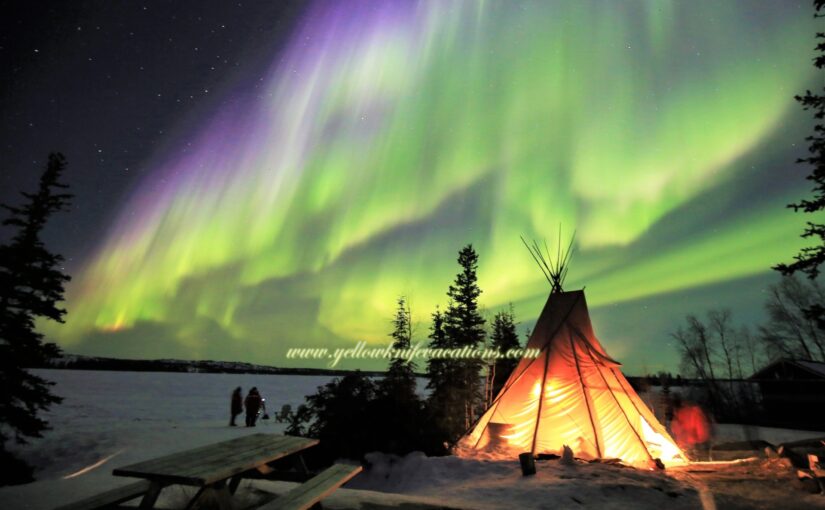
Few natural events compare to watching green, pink, and violet light ripple across a dark sky. The good news for 2026 is that the sun is still in an active phase of its 11-year cycle. Solar activity peaked around 2024-2025, and the years just after a peak often bring strong, sometimes unpredictable displays. If the aurora has been on your bucket list, the 2026-27 season is a great time to go.
This guide covers the best destinations, the best months and times, and how to improve your odds of a clear, colorful night.
What Causes the Aurora Borealis?
The aurora borealis, or northern lights, happens when charged particles from the sun collide with gases in Earth’s upper atmosphere. Oxygen produces the common green and occasional red glow, while nitrogen adds blue and purple edges. The display is strongest near the polar regions, in a ring called the auroral oval, which is why the best viewing is at high northern latitudes.
When to See the Northern Lights in 2026
Best season: The aurora is visible only when the sky is dark, so the viewing season runs from late August through early April in the Northern Hemisphere. Since we’re already in late October 2026, the upcoming winter is your window.
Best months: September to March is the sweet spot. Around the equinoxes (September and March), geomagnetic activity tends to be higher, which often means more frequent and intense displays. Deep winter (December to February) brings the longest nights and the most viewing hours, though also the coldest temperatures.
Best time of night: Generally between 9 p.m. and 2 a.m. local time, with peak activity often close to midnight.
Watch the moon: A bright full moon washes out fainter displays. Plan around the new moon if you can. In the coming season, new moons fall around early-to-mid November and early-to-mid December 2026, then again in January and February 2027. Check an up-to-date lunar calendar when booking.
Give yourself time: The aurora can’t be scheduled. Staying at least 3 to 5 nights greatly improves your chances of catching clear skies and strong activity.
Best Places to See the Northern Lights
1. Tromso, Norway
Often called the capital of the northern lights, Tromso sits well inside the auroral zone and offers easy access to dark-sky tours, fjord cruises, and cozy winter city life. Coastal weather can be cloudy, but guides will drive you to clearer skies.
2. Iceland
With dramatic landscapes of waterfalls, black-sand beaches, and glaciers, Iceland makes a stunning foreground for the lights. It’s a popular first-time choice thanks to short flights from Europe and North America. Weather changes fast, so build in flexibility.
3. Finnish Lapland (Rovaniemi, Saariselkä, Kakslauttanen)
Finland combines reliable aurora odds with unique stays such as glass igloos and snow cabins, so you can watch the sky from your bed. Winter activities include husky sledding, reindeer rides, and snowshoeing.
4. Swedish Lapland (Abisko)
Abisko National Park is famous for its “blue hole,” a patch of sky with unusually clear weather, giving it some of the best aurora statistics in Europe. It’s quiet, remote, and ideal for serious aurora chasers.
5. Fairbanks, Alaska, USA
Fairbanks has excellent aurora odds, hot springs for soaking under the lights, and a strong tourism infrastructure. Its inland location means colder but often clearer skies.
6. Yellowknife, Northwest Territories, Canada
Known for stable, dry weather and wide-open skies, Yellowknife is among the best aurora destinations in North America. Aurora viewing lodges and guided tours make it easy to stay warm while you wait.
7. Other Options
The Yukon, northern Manitoba (Churchill), Greenland, the Scottish Highlands, and even parts of the northern US can see occasional displays during strong geomagnetic storms.
Tips for Seeing and Photographing the Aurora
- Escape light pollution. Get away from city lights. Even a 20-minute drive helps.
- Check forecasts. Use the Kp index and local cloud-cover forecasts. A higher Kp means a stronger chance at lower latitudes, but cloud cover matters just as much.
- Dress in layers. Standing still in subzero temperatures is colder than you expect. Thermal base layers, insulated boots, and warm gloves are essential.
- Use a tripod. For photos, try a wide-angle lens, a wide aperture, an ISO of around 1600-3200, and an exposure of 5-15 seconds. Modern phones with night mode can also capture great shots.
- Be patient. Displays can build, fade, and flare again within a single night.
Why Book Aurora Borealis Vacation Packages?
Planning an aurora trip on your own means juggling flights, lodging, transport, and tours across remote areas, often during peak season when availability is tight. That’s why many travelers choose aurora borealis vacation packages. A good package typically includes:
- Accommodation in prime viewing areas, such as glass igloos, lodges, or cabins
- Guided night tours with local experts who know where skies are clearest
- Winter clothing rental, so you don’t have to buy gear you’ll use once
- Bonus experiences like dog sledding, snowmobiling, hot springs, or ice hotels
- Built-in flexibility, with extra nights or multiple tour attempts to improve your odds
Packages also take the stress out of logistics, so you can spend your energy on the sky rather than the spreadsheet.
Quick Planning Checklist
- Choose your destination based on budget, travel time, and the experience you want.
- Aim for a window of 4-7 nights, around a new moon if possible.
- Book early. Popular lodges and tours fill up months ahead, especially for December through March.
- Pack for extreme cold, and bring spare camera batteries, which drain fast in the cold.
- Stay flexible. The lights are natural, not guaranteed.
Ready to Chase the Lights?
The 2026-27 winter is shaping up to be a memorable one for aurora seekers, and the best accommodations and tour slots are already filling. Whether you picture a glass igloo in Finland, a fjord cruise in Norway, or a hot spring under the Alaskan sky, now is the time to lock in your dates.
Browse our aurora borealis vacation packages today, or get in touch with our travel team for a custom itinerary, and let’s get you under the northern lights this winter.
