

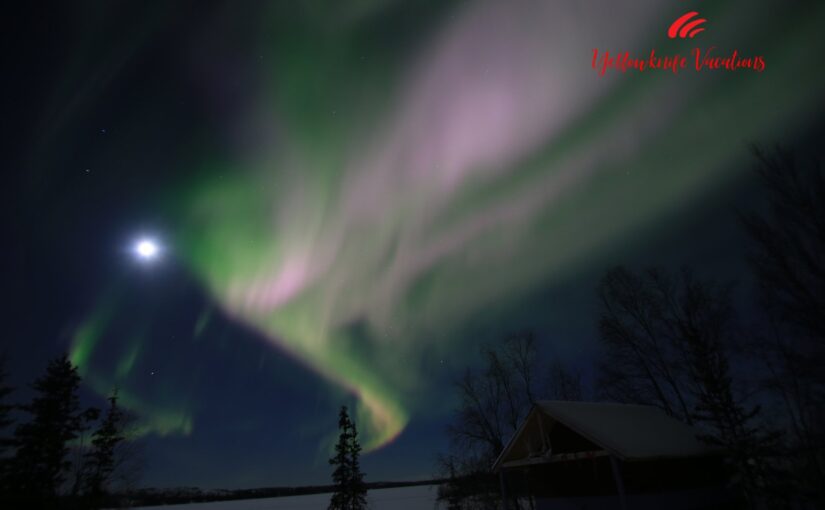
Every winter, travelers from around the world fly to a small city on the shore of Great Slave Lake for one reason: the sky. Yellowknife sits almost directly beneath the auroral oval, and its dry climate and open horizons give it some of the most dependable aurora viewing on Earth. The easiest way to take advantage of that is to join a guided northern lights tour.
This guide explains the types of tours available, what to expect on the night, the best time to go, and how to choose the right option for your trip.
Why Take a Northern Lights Tour in Yellowknife?
You can see the aurora on your own, but a tour gives you real advantages:
- Local knowledge. Guides track cloud cover and solar activity and drive you to the clearest skies each night.
- Dark locations. Tours take you away from city lights to cabins and camps with open views.
- Warmth and comfort. Heated cabins, tipis, hot drinks, and snacks make long waits easy to handle.
- Photography help. Many guides help with camera settings and take portraits of you under the lights.
- Safety. Winter nights in the Northwest Territories can be extremely cold, and having experienced hosts nearby matters.
Types of Northern Lights Tours in Yellowknife
Aurora Viewing Camps
The classic option. A guide takes you to a dedicated camp outside the city, usually with heated cabins or tipis, a fire, and open sky. You wait in comfort and step outside when the lights appear. Most evening tours run for several hours, often from around 9 or 10 p.m.
Indigenous-Led Aurora Experiences
Several tours are hosted by Dene and other Indigenous guides, who share traditional stories about the sky alongside the science. These are among the most memorable experiences in the region, and they add real cultural depth to your trip.
Photography-Focused Tours
Smaller groups, more time, and hands-on coaching with tripods, long exposures, and composition. A strong choice if you want portfolio-quality images.
Lakeside and Bush Cabin Tours
Some operators use remote lake or forest locations for an off-the-grid feel. Reflections on open water in late summer or on frozen lakes in winter make for striking views.
Private and Small-Group Tours
Ideal for couples, families, and anyone who wants flexibility. You can often choose pickup times and viewing spots.
Summer and Fall Boat or Cabin Tours
From mid-August to mid-September, you can see the aurora in milder weather, sometimes from a boat or lakeside lodge.
When to Take an Aurora Tour in Yellowknife
Winter season (mid-November to early April): Long nights, snow-covered scenery, and daytime activities like dog sledding and ice fishing. It’s also the coldest period, often below -25°C.
Late summer and fall (mid-August to mid-September): Milder weather, open water, and no need for heavy winter gear.
Best months: September, February, and March offer a good balance of activity and comfort. December and January have the longest nights but the harshest cold.
Best time of night: Most displays peak between 10 p.m. and 2 a.m., often around midnight.
Moon phase: A new moon gives the darkest sky, though strong displays are visible in moonlight too.
How Many Tours and Nights Do You Need?
Aurora can’t be guaranteed, so more nights mean better odds. Plan at least three to four nights, and book multiple tours if possible. If the first night is cloudy, you still have more chances. Many travelers choose four to five nights for extra flexibility.
What to Expect on Your Tour
- Pickup: Most operators collect you from your hotel in the evening.
- Arrival at camp: You’ll settle into a heated cabin or tipi and learn about the night’s forecast.
- Waiting and watching: Guides watch the sky and alert you when activity begins. You can wait inside and step out as needed.
- Photography: Guides help with settings or take photos for you.
- Return: Tours usually finish after midnight, with transport back to your accommodation.
What to Wear and Pack
- Thermal base layers (merino or synthetic)
- Insulated, waterproof boots rated for extreme cold
- Heavy down parka and insulated snow pants
- Warm hat, neck gaiter, and face covering
- Insulated gloves with thin liners for camera use
- Hand and toe warmers
- Camera, tripod, and spare batteries (cold drains them quickly)
Many operators rent winter clothing, so you can travel light and stay warm without buying gear you’ll only use once.
Tips for Choosing the Right Tour
- Check what’s included: Transport, snacks, hot drinks, clothing rental, and photography help vary between operators.
- Look at group size: Smaller groups mean more personal attention and better viewing space.
- Ask about flexibility: Some operators let you rebook another night if conditions are poor.
- Read recent reviews: Look for comments on guide quality, warmth, and communication.
- Book early: Popular tours sell out months ahead for peak winter dates and September.
Other Things to Do in Yellowknife
Make the most of your days with:
- Dog sledding across frozen lakes
- Ice fishing and snowshoeing
- Snowmobiling and winter wilderness adventures
- Visiting Old Town and its houseboat community
- Exploring Dene culture and local history
- Seeing the Legislative Assembly and the waterfront
Why Choose Northern Lights Travel Packages?
Combining flights, hotels, transfers, tours, and gear on your own can be time-consuming, especially for a remote destination in peak season. That’s why many visitors choose northern lights travel packages. A well-built package typically includes:
- Accommodation near the best viewing areas
- Multiple guided aurora tours across several nights
- Airport transfers and ground transport
- Winter clothing rental
- Daytime activities such as dog sledding or cultural experiences
Everything is organized in advance, so you can spend your energy looking up rather than sorting out logistics.
Quick Planning Checklist
- Pick your season: winter for snow, late summer for milder weather.
- Plan 4 to 5 nights if possible.
- Choose a tour style that suits your interests.
- Book early for the best dates and lodging.
- Pack for extreme cold or reserve rental gear.
- Stay patient and flexible. The aurora is natural, not scheduled.
Your Yellowknife Aurora Adventure Starts Here
Standing under a sky that shifts from green to violet, with silence all around and a warm cabin behind you, is the kind of experience travelers talk about for years. With the right tour and a few nights to spare, Yellowknife makes it remarkably easy to see.
Ready to go? Request a free quote on a customized Yellowknife itinerary, or get in touch with our team to start planning your trip under the northern lights.
