

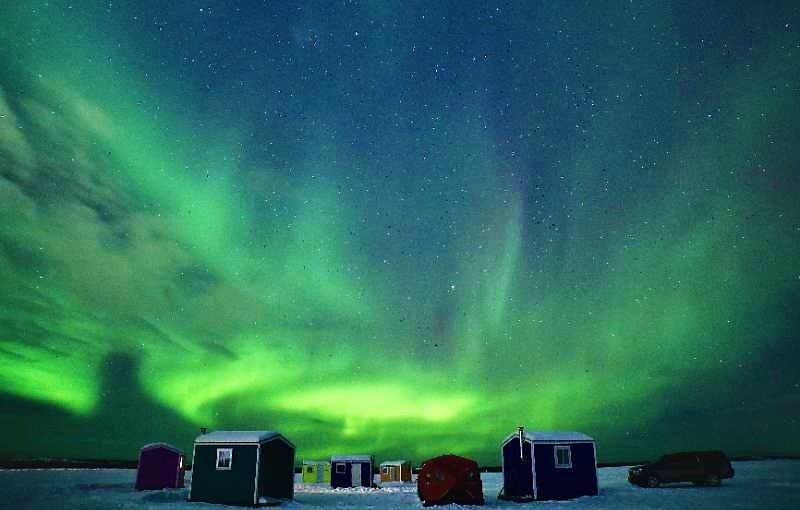
Yellowknife, located in Canada’s Northwest Territories, is one of the most popular destinations for experiencing the spectacular Aurora Borealis. Its northern location, dark winter skies, and access to remote viewing areas make it an excellent choice for travelers hoping to see the Northern Lights.
Choosing the right month can improve your travel experience and give you more opportunities to observe this natural phenomenon. Understanding seasonal weather conditions, nighttime darkness, and available activities can help you select the ideal travel dates and find suitable Aurora borealis vacation packages.
Why Is Yellowknife Ideal for Aurora Viewing?
Yellowknife is located beneath the auroral oval, a region where aurora activity occurs frequently. Its northern location, relatively dry climate, and access to dark viewing areas make it a strong destination for Northern Lights enthusiasts.
Although aurora activity can occur throughout the year, viewing requires sufficiently dark skies. During summer, extended daylight makes it difficult to see the Northern Lights. For this reason, aurora viewing in Yellowknife generally takes place from late August through mid-April.
Keep in mind that sightings are never guaranteed. Cloud cover, weather conditions, and solar activity all influence visibility.
The Best Months to See the Northern Lights in Yellowknife
1. Late August and September: Early Aurora Season
Late August marks the return of darker nights in Yellowknife, creating opportunities to observe the Aurora Borealis as summer transitions into autumn.
September can be an appealing month for travelers who prefer milder temperatures compared with the depths of winter. The surrounding landscape may also display beautiful autumn colors, adding to the overall travel experience.
Why visit during this period?
-
More comfortable temperatures than in midwinter.
-
Opportunities to combine aurora viewing with autumn scenery.
-
Suitable conditions for photography when skies are clear.
September is a good option for travelers who want to experience the Northern Lights without planning a trip during the coldest months.
2. October and November: Autumn Aurora Viewing
October and November bring longer nights and colder weather to Yellowknife. The increasing hours of darkness provide more opportunities to search for the aurora.
During this period, visitors can enjoy guided evening tours and explore designated viewing locations away from city lights. Snow and icy conditions may begin to affect travel, so checking tour arrangements and preparing suitable clothing is important.
Why visit during this period?
-
Longer periods of darkness.
-
Opportunities for guided Northern Lights excursions.
-
A transition from autumn landscapes to winter scenery.
Travelers visiting during these months should pack warm layers and confirm whether transportation and cold-weather equipment are included in their tour packages.
3. December and January: Winter Aurora Adventures
December and January offer some of the longest nights of the year in Yellowknife. These extended periods of darkness provide more time for aurora viewing, although extremely cold temperatures can make outdoor excursions challenging.
Winter visitors can experience snowy landscapes and may have opportunities to enjoy additional activities, such as dog sledding and other seasonal adventures, depending on availability.
Why visit during this period?
-
Very long winter nights.
-
Beautiful snow-covered scenery.
-
Opportunities to combine aurora viewing with winter activities.
If you plan to visit during the coldest months, bring insulated boots, thermal layers, gloves, and a warm hat. Check whether your chosen tour provider supplies specialized winter clothing.
4. February and March: Excellent Months for a Winter Visit
February and March are popular choices for travelers seeking a winter experience in Yellowknife. Nights remain sufficiently long for aurora viewing, while March generally brings increasing daylight and potentially more comfortable daytime conditions than the middle of winter.
Visitors can enjoy a combination of Northern Lights excursions, winter scenery, and outdoor activities. However, temperatures can still fall significantly below freezing, so preparation remains essential.
Why visit during this period?
-
Plenty of nighttime darkness for viewing.
-
Opportunities to enjoy winter activities.
-
A balance of aurora excursions and daytime sightseeing.
For travelers who want to experience the Canadian winter while searching for the Northern Lights, February and March are worth considering.
5. Early to Mid-April: The End of the Main Viewing Season
Aurora viewing can continue into April, particularly during the earlier part of the month when nights are still dark enough. As spring approaches, nighttime darkness gradually decreases, reducing the available viewing window.
April may appeal to visitors who want to experience the changing season, but travel dates should be planned carefully around local daylight conditions and tour schedules.
Why visit during this period?
-
Opportunities to see the aurora before the season winds down.
-
Changing northern landscapes.
-
Potentially milder conditions than in the heart of winter.
Before booking, confirm that aurora tours are operating on your intended dates and allow enough nights for multiple viewing opportunities.
Which Month Is Best for Aurora Viewing in Yellowknife?
The best month depends on your preferred weather, travel style, and activities. September offers an autumn experience, while February and March appeal to travelers who enjoy snowy landscapes and winter adventures.
December and January provide particularly long nights, but the cold can be intense. October and November offer a seasonal transition, while early April can still provide viewing opportunities before nights become too bright.
Rather than relying on a single date, consider planning a stay of three to five nights. Spending several nights in Yellowknife gives you more opportunities to see the aurora if clouds or weather conditions affect one evening.
What to Look for in Aurora Borealis Vacation Packages
Choosing the right package can make your trip easier to organize. Depending on the provider, Aurora borealis vacation packages may include accommodation, transportation, guided aurora tours, winter clothing, and additional seasonal activities.
Before booking, consider the following factors:
-
Travel dates: Choose dates that fall within the aurora-viewing season and provide sufficient nighttime darkness.
-
Accommodation: Compare hotels, lodges, and other stays based on comfort, location, and budget.
-
Guided tours: Check how many aurora-viewing excursions are included and whether transportation to dark-sky locations is provided.
-
Winter equipment: Confirm whether thermal suits, boots, and other cold-weather gear are included or available for rent.
-
Additional activities: Look for optional experiences such as dog sledding, snowshoeing, or local cultural activities.
-
Booking policies: Review cancellation, rescheduling, and refund conditions, especially when weather affects travel plans.
Comparing these details can help you select a package that suits your travel dates and expectations.
Tips for a Successful Northern Lights Experience
Even when you visit during the best months, seeing the Aurora Borealis depends on natural conditions. A few simple preparations can make your experience more comfortable.
Check the forecast: Monitor cloud cover and aurora activity reports, while remembering that forecasts cannot guarantee a sighting.
Dress for the weather: Wear several insulating layers and protect your hands, feet, and face from the cold.
Choose dark viewing locations: Areas away from artificial lighting generally provide better conditions for observing the aurora.
Bring suitable photography equipment: A camera with manual settings or a smartphone with a capable night mode can help you capture the experience.
Allow enough time: Staying for several nights gives you more chances to view the aurora if conditions are unfavorable on your first evening.
Follow local guidance: Listen to tour guides and follow safety recommendations when visiting remote areas or traveling in winter conditions.
Plan Your Yellowknife Aurora Viewing Trip
Yellowknife offers memorable Northern Lights experiences from late August through early to mid-April, with each month bringing different weather conditions, scenery, and activities. September is ideal for autumn travelers, while February and March appeal to visitors seeking a classic Canadian winter adventure.
Choose travel dates that match your preferences, allow enough time for aurora viewing, and prepare for changing northern weather.
Explore our Aurora borealis vacation packages to compare accommodations, guided tours, and seasonal activities. Contact us today to find the right package for your travel plans and start planning your unforgettable Canadian aurora adventure!
