

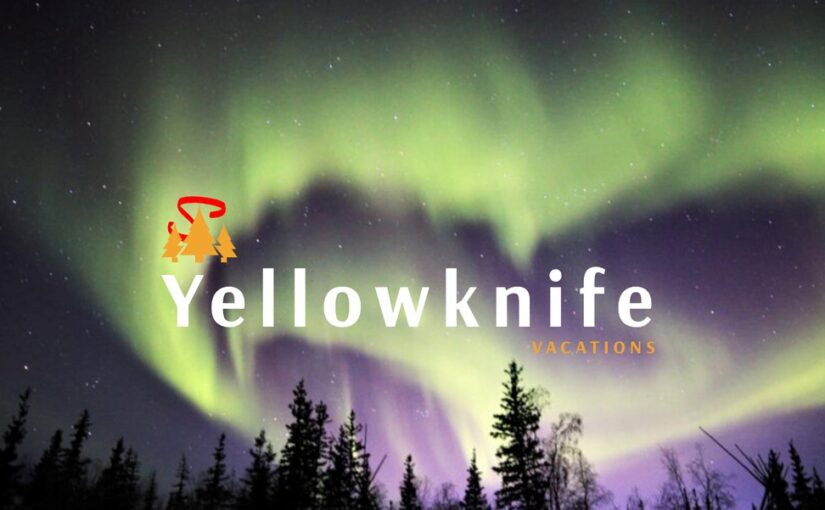
The Northern Lights are one of the most incredible natural wonders to experience in the Canadian Arctic. Their colourful displays across the night sky attract travellers from around the world, and Yellowknife in the Northwest Territories is a popular destination for aurora viewing. However, there is much more to discover beyond the dancing lights.
From dog sledding across snowy landscapes to exploring local culture, enjoying frozen-lake adventures, and discovering scenic trails, an Arctic vacation offers memorable experiences throughout your stay. Adding daytime activities to your itinerary also helps you make the most of your trip, even when the weather or cloud cover affects aurora visibility.
If you are planning your next northern adventure, here are some of the best Arctic experiences to add to your aurora vacation.
1. Experience the Thrill of Dog Sledding
Dog sledding is one of the classic winter experiences in Canada’s North. Travelling across snow-covered terrain with a team of energetic sled dogs offers a unique way to explore the Arctic landscape.
During a guided excursion, you can learn how sled dogs work together, understand their role in northern travel traditions, and enjoy the peaceful surroundings of the wilderness. Some experiences also include opportunities to meet the dogs and learn about their care from experienced handlers.
Dog sledding is especially popular during winter, when snow conditions support traditional sled journeys. Availability and routes depend on the season and local conditions, so it is worth checking with your tour operator before booking.
Planning tip: Consider scheduling dog sledding during daylight hours and leaving your evening free for aurora viewing. This allows you to enjoy two different sides of the Arctic without overloading your itinerary.
2. Explore the Beauty of Great Slave Lake
Great Slave Lake is one of the defining natural features of the Yellowknife region. Its vast waters, rugged shoreline, and expansive views create beautiful scenery in every season.
During winter, when conditions permit and the ice has been confirmed safe, visitors can experience activities such as ice fishing and guided snow-based excursions. The frozen landscape offers a different perspective on northern life and the region’s outdoor traditions.
In warmer months, the lake becomes a destination for boating, paddling, fishing, and enjoying the surrounding scenery. The long summer daylight hours make it possible to spend more time outdoors and explore at a relaxed pace.
Before heading onto the lake in winter, always follow local safety guidance and use experienced operators who understand ice conditions.
Make your trip more memorable: When comparing Northern lights travel packages, look for options that allow you to add seasonal lake activities alongside your aurora-viewing evenings. This can help you create a more varied and rewarding Arctic holiday.
3. Discover Yellowknife’s Local History and Culture
An aurora vacation is also an opportunity to learn about the people, history, and communities that shape life in Canada’s North.
Yellowknife offers places to explore local heritage, regional art, and northern history. A visit to Old Town provides a glimpse of the city’s character, with its distinctive setting along Yellowknife Bay, historic landmarks, and views of the surrounding landscape.
You can also explore local galleries, visit cultural attractions, and learn about the traditions and contemporary experiences of Indigenous communities. Whenever possible, choose community-led cultural tours and follow local guidance on photography, access, and respectful engagement.
Taking time to understand the region adds meaning to your trip beyond its natural beauty.
Travel tip: Include a guided city tour or a cultural experience early in your itinerary. It can help you understand Yellowknife’s history and make the rest of your visit more engaging.
4. Enjoy Snowmobiling Across Winter Landscapes
For travellers who enjoy outdoor adventure, snowmobiling can be an exciting way to experience the Arctic winter. Guided tours may take visitors through snowy terrain and offer views of frozen lakes, forested areas, and wide-open northern landscapes.
The experience varies according to the tour, weather, snow conditions, and local access restrictions. Some excursions focus on scenic exploration, while others offer a more adventurous ride.
First-time riders should select an appropriate guided experience and follow all safety instructions. Operators can explain how to use the equipment, what clothing to wear, and how to travel safely in cold conditions.
Snowmobiling can be a great daytime addition to a winter aurora trip, particularly for visitors who want to balance peaceful nights beneath the sky with active outdoor experiences.
However, remember that Arctic temperatures can change quickly. Dress in suitable insulated layers, protect exposed skin, and confirm whether the operator provides winter clothing.
5. Try Ice Fishing in the Canadian Arctic
Ice fishing offers a different way to experience the northern environment. Rather than focusing on speed or physical adventure, it gives visitors time to appreciate the frozen landscape while learning about an activity that forms part of life in many northern communities.
Depending on the season and tour, visitors may learn how fishing holes are prepared, how equipment is used, and which local practices are important for a safe outing.
Some operators provide heated shelters or equipment, although inclusions vary. Before booking, check what is supplied and whether you need to bring additional cold-weather clothing.
Ice fishing is particularly associated with the late-winter and spring period in the Yellowknife region, but suitable dates depend on local conditions and operator schedules.
Plan ahead: If you want to include ice fishing in your aurora vacation, choose a travel itinerary with enough flexibility to accommodate weather changes and late-night viewing sessions.
6. Explore the Scenic Ingraham Trail
The Ingraham Trail is a popular route for discovering the landscapes surrounding Yellowknife. It passes through areas of rocky Canadian Shield terrain, lakes, forest, and access points for outdoor recreation.
During the appropriate season, visitors can explore scenic stops, enjoy photography, and discover the natural surroundings beyond the city. The trail can also provide access to areas used for outdoor adventures and aurora viewing.
Conditions vary throughout the year. Winter driving may involve snow, ice, reduced visibility, and limited services, so visitors unfamiliar with northern conditions should consider travelling with an experienced local guide.
Avoid stopping on active roads for photographs, and use designated parking and viewing areas where available.
For travellers who enjoy nature photography, the Ingraham Trail provides opportunities to capture landscapes during daylight before returning to the city for an evening under the stars.
7. Experience the Magic of Arctic Photography
An aurora vacation offers opportunities to photograph much more than the Northern Lights. Snow-covered forests, frozen lakes, colourful buildings, and expansive northern skies can all become memorable parts of your travel collection.
For aurora photography, a tripod and a camera that allows manual settings are useful. A spare battery is also worth bringing because cold temperatures can reduce battery performance.
If you are using a smartphone, night mode and a stable surface may help you capture brighter images, although results depend on the device and lighting conditions.
Daytime photography offers another advantage: you can explore Yellowknife’s architecture, landscapes, and local landmarks without having to stay outdoors late into the night.
Remember to dress warmly while photographing the sky, protect your equipment from extreme cold, and respect private property and local photography guidelines.
Helpful suggestion: When choosing an aurora tour, ask whether photography assistance is available. Some guided experiences offer advice on camera settings or help visitors find suitable viewing locations.
8. Discover Local Food and Northern Flavours
Food is another enjoyable way to connect with a destination. Yellowknife’s dining scene provides opportunities to explore local ingredients, northern-inspired dishes, and a variety of Canadian and international cuisines.
Depending on the restaurant and season, you may find dishes featuring regional fish or game alongside familiar comfort foods and contemporary menus. Local restaurants and cafés also provide welcoming places to relax after spending time outdoors in the cold.
Consider leaving room in your schedule for a leisurely meal rather than arranging activities from morning until late at night. Aurora outings can finish after midnight, so a flexible dining plan can make the overall trip more comfortable.
If trying regional cuisine is important to you, research restaurants in advance and check their opening hours, menus, and reservation requirements.
9. Choose the Right Season for Your Arctic Vacation
The best time to visit Yellowknife depends on the experiences you want to enjoy.
Autumn: Comfortable Exploration and Aurora Viewing
Late summer and early autumn can offer opportunities to see the Northern Lights while enjoying milder conditions than deep winter. Visitors may also appreciate the changing colours of the landscape and easier access to certain outdoor activities.
Because darkness arrives later than in midwinter, your evening viewing schedule may differ from a winter itinerary.
Winter: Snowy Landscapes and Outdoor Adventures
Winter brings long nights, snowy scenery, and opportunities for activities such as dog sledding, snowmobiling, and ice fishing when conditions permit.
Temperatures can be extremely cold, so suitable clothing and reliable transportation are essential. Build rest periods into your schedule, especially if you plan to stay outdoors late at night.
Spring and Summer: Lakes, Trails, and Long Days
Warmer seasons offer a different perspective on the North, with opportunities for paddling, boating, hiking, fishing, and exploring the surrounding region.
Summer’s long daylight hours make daytime sightseeing easier, although the Northern Lights are generally more difficult to see during the brightest part of the season. Aurora viewing depends on sufficient darkness as well as suitable sky conditions.
Before choosing your dates, consider the activities you want to prioritise, the expected weather, and the amount of time you can spend in the region.
10. How to Plan a Well-Balanced Aurora Vacation
The secret to a successful Arctic holiday is to avoid building your entire itinerary around a single night of aurora viewing.
Although Yellowknife is known for its favourable aurora-viewing conditions, the Northern Lights are a natural phenomenon and cannot be guaranteed on a particular date. Clouds, weather, and solar activity all influence what you may see.
A multi-night stay gives you more opportunities to view the aurora if conditions change. It also provides time to enjoy local attractions and outdoor experiences during the day.
When comparing Northern lights travel packages, consider the following factors:
-
Duration: Choose enough nights to allow flexibility in your viewing schedule.
-
Accommodation: Compare location, comfort, transportation, and included services.
-
Aurora tours: Check how many viewing outings are included and whether they are guided or self-directed.
-
Daytime activities: Look for opportunities to add dog sledding, snowmobiling, cultural experiences, or seasonal lake activities.
-
Transportation: Confirm airport transfers, tour pickups, and travel arrangements between activities.
-
Cold-weather preparation: Check whether insulated clothing, boots, and other equipment are provided.
-
Flexibility: Review cancellation policies, weather-related changes, and any additional fees before booking.
A well-planned itinerary should balance adventure, relaxation, cultural discovery, and time under the night sky.
If you are ready to organise your next northern getaway, explore available travel packages and compare the experiences included in each option. Selecting an itinerary that matches your travel dates, comfort level, and interests can make planning easier and help you enjoy more of what the Arctic has to offer.
Make Your Arctic Adventure More Than an Aurora Trip
Seeing the Northern Lights can be an unforgettable highlight, but the experiences surrounding them can make your vacation even more rewarding. From exploring Great Slave Lake and discovering Yellowknife’s history to enjoying dog sledding, snowmobiling, and local cuisine, the Canadian Arctic offers plenty of ways to create lasting memories. Book your Northern lights travel package today and start planning your unforgettable Arctic adventure!
