

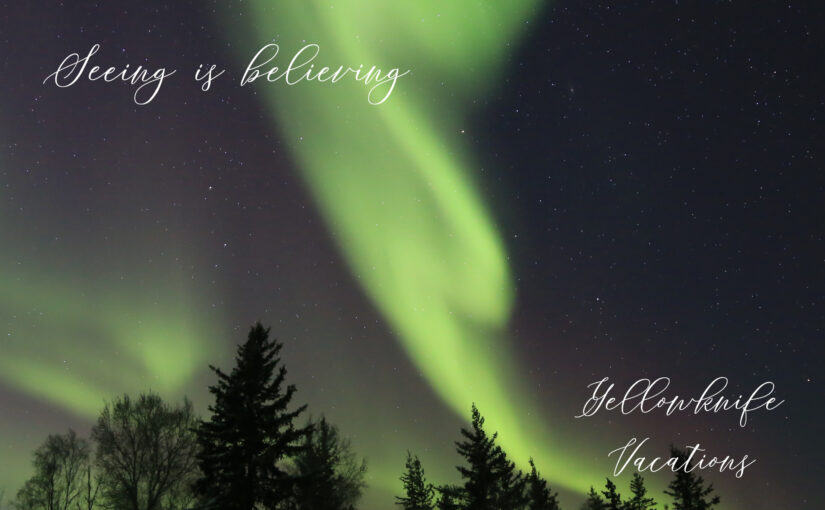
Canada is one of the best countries on Earth for watching the aurora borealis. Its vast northern territories sit directly beneath the auroral oval, and much of the country has dark skies, low population density, and dry winter air. From the frozen lakes of the Northwest Territories to the wilderness of the Yukon, Canada offers displays that rival anywhere in the world.
This guide covers the top places to see the northern lights in Canada, the best time to go, and how to plan a trip that gives you the best chance of a spectacular show.
Why Canada Is a Top Aurora Destination
Several factors make Canada stand out:
- Prime location: Northern Canada lies right under the auroral oval, where activity is strongest.
- Dark, open skies: Huge stretches of wilderness mean very little light pollution.
- Favorable weather: Some regions, especially the Northwest Territories, have drier climates and clearer skies than many other aurora hotspots.
- Excellent infrastructure: Lodges, guided tours, and heated viewing cabins make it comfortable to watch the sky even in extreme cold.
- Added adventure: Dog sledding, snowshoeing, ice fishing, and Indigenous cultural experiences can be combined with aurora viewing.
Best Places to See the Northern Lights in Canada
1. Yellowknife, Northwest Territories
Yellowknife is widely considered the best place in Canada, and one of the best in the world, for aurora viewing. It sits beneath the auroral oval and enjoys stable, dry weather and wide-open skies. Aurora viewing is often possible on a large share of clear nights, which is why many travelers stay three to four nights to boost their odds. Guided tours take you to heated viewing cabins and lakeside spots, and Indigenous-led experiences add a cultural dimension.
Best for: Reliability, first-time aurora chasers, and organized tours.
2. Whitehorse and the Yukon
The Yukon offers rugged scenery, hot springs, and small-town charm. Whitehorse is an easy base, with several aurora tour operators and lodges nearby. Outside the city, you can watch the lights over mountains and frozen lakes. The territory is also a good choice if you want to combine the aurora with winter sports.
Best for: Adventure travelers and wilderness scenery.
3. Churchill, Manitoba
Better known for polar bears, Churchill is also a superb aurora location on the shore of Hudson Bay. It’s remote and requires more planning to reach, but the reward is dark skies and a strong chance of displays during winter and early spring. Because it’s quite far north, you may also see aurora activity on nights when other regions stay quiet.
Best for: Remote, off-the-beaten-path experiences.
4. Banff and Jasper National Parks, Alberta
Jasper is a designated Dark Sky Preserve, one of the largest in the world, and Banff offers dramatic mountain backdrops. The aurora is less frequent here than in the far north, but when a strong geomagnetic storm hits, the lights over the Rockies are unforgettable. It’s an ideal option if you want to combine a classic Canadian Rockies trip with a chance at the lights.
Best for: Scenic photography and combining aurora with a Rockies holiday.
5. Northern Saskatchewan and Manitoba
Provincial parks and remote lakes across these regions offer very dark skies with few crowds. Prince Albert National Park and areas around Lac La Ronge are popular with local aurora watchers.
Best for: Budget-friendly, quieter viewing.
6. Northern Ontario and Quebec
Places such as Thunder Bay, Algonquin, and parts of northern Quebec can see occasional displays, especially during strong solar activity. Dark-sky parks like Torrance Barrens in Ontario are good for stargazing and sometimes aurora.
Best for: Weekend trips and travelers in eastern Canada.
7. Nunavut and Nunavik
For true adventurers, Arctic communities like Iqaluit offer extraordinary viewing, though travel costs are higher and logistics more complex.
Best for: Experienced travelers seeking a remote Arctic experience.
Best Time to See the Northern Lights in Canada
Season: The aurora is visible from late August through early April, when nights are dark enough. In the far north, the peak window is generally mid-August to mid-April.
Best months: September, October, February, and March are often favored because they bring more geomagnetic activity around the equinoxes, along with milder temperatures than deep winter. December and January offer the longest nights but the harshest cold, with temperatures that can drop well below -30°C.
Best time of night: Typically between 10 p.m. and 3 a.m., with peak activity often around midnight.
Moon phase: Aim for the new moon, or the days around it, when the sky is darkest.
Solar activity: The sun remains in an active phase following the recent solar maximum, so the coming seasons offer strong aurora potential.
Tips for Seeing the Northern Lights in Canada
- Stay at least 3 to 4 nights. Aurora can’t be guaranteed, and extra nights improve your chances.
- Check the forecast. Watch the Kp index, aurora alerts, and cloud-cover forecasts.
- Get away from city lights. Dark-sky locations or guided tours make a big difference.
- Dress for extreme cold. Wear thermal layers, insulated boots, a down parka, and heated glove liners. Many tours provide winter clothing rentals.
- Protect your camera gear. Cold drains batteries quickly, so bring spares and keep them warm.
- Photograph like a pro. Use a tripod, wide-angle lens, wide aperture, ISO 1600-3200, and 5-15 second exposures.
- Be patient. Displays often build slowly and can erupt suddenly.
Why Choose Northern Lights Canada Packages?
Visiting remote northern regions involves flights, lodging, transport, and tours that are hard to coordinate on your own, especially in peak winter. That’s why many travelers opt for northern lights Canada packages. A good package typically includes:
- Flights and transfers to remote northern destinations
- Accommodation near prime viewing areas, from lodges to cozy cabins
- Guided aurora tours led by local experts who know where skies are clearest
- Winter gear rental so you stay warm without buying expensive clothing
- Extra adventures such as dog sledding, snowmobiling, ice fishing, or hot springs
- Multiple viewing nights built in to maximize your chances
With everything arranged in advance, you can focus on the experience instead of the logistics.
Quick Planning Checklist
- Choose your destination: Yellowknife for reliability, the Yukon for adventure, Churchill for remote Arctic scenery, or the Rockies for mountain views.
- Plan 4 to 5 nights if possible.
- Book early, as winter tours and lodges fill up months in advance.
- Pack for extreme cold, including layers, a warm hat, and quality boots.
- Stay flexible and optimistic. The lights are natural and unpredictable.
Start Planning Your Aurora Adventure
Canada offers some of the most dependable and dramatic northern lights viewing on the planet, whether you choose the open skies of Yellowknife, the wilds of the Yukon, or the Arctic shores of Churchill.
Ready to see the sky come alive? Explore our northern lights Canada packages today, or contact our travel experts for a customized itinerary, and let us help you chase the aurora in comfort and style.
