

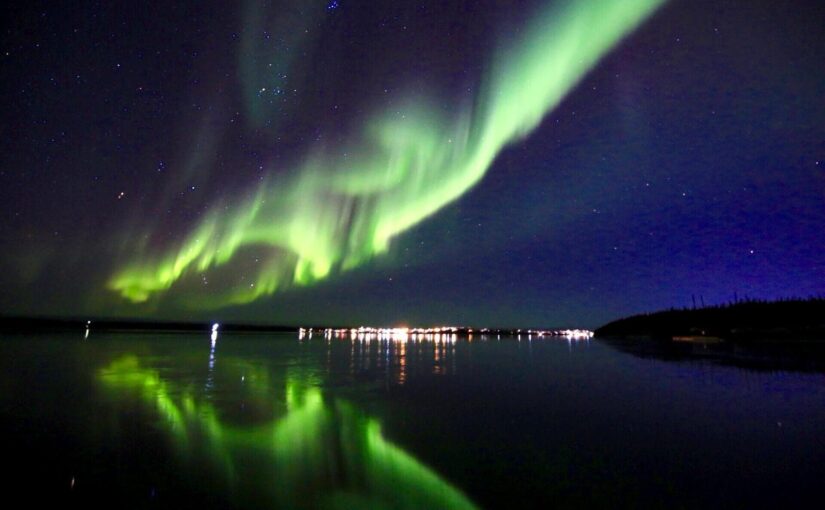
Seeing the Northern Lights is a dream for many travellers. The colourful waves of green, purple, and pink dancing across the night sky create a natural spectacle that is difficult to describe in words. For travellers looking to experience this unforgettable phenomenon, Yellowknife in Canada’s Northwest Territories is one of the destinations worth considering.
Known for its northern location, clear winter skies, and excellent aurora-viewing opportunities, Yellowknife attracts visitors from around the world. Whether you are planning your first aurora adventure or returning to experience the magic again, a little preparation can help make your journey more enjoyable. This guide covers the best time to visit, what to expect, what to pack, and how to prepare for a memorable Northern Lights experience.
Why Choose Yellowknife for Northern Lights Viewing?
Yellowknife is widely recognised as a popular destination for aurora viewing because of its location beneath the auroral oval, an area where auroras frequently occur. Its surroundings also offer access to open landscapes and viewing locations away from city lights.
One of the main advantages of visiting Yellowknife is the opportunity to spend several nights searching for the aurora. Since Northern Lights visibility depends on cloud cover, darkness, and solar activity, staying for more than one night can improve your chances of witnessing the display.
A well-planned Northern lights tour yellowknife experience can also make the trip easier. Guided tours may provide transportation to suitable viewing areas, local knowledge, warm shelters, and assistance with photographing the aurora. These services can be particularly helpful for first-time visitors who are unfamiliar with the region’s winter conditions.
What Is the Best Time to See the Northern Lights in Yellowknife?
Choosing the right season is an important part of planning your trip. Aurora viewing generally requires dark skies, so the best travel period depends on your preferred weather, activities, and travel style.
Late Summer and Autumn
Late summer and autumn can offer opportunities to see the Northern Lights before the coldest winter weather arrives. September and early autumn are popular periods to consider because nights become darker while daytime temperatures may be more comfortable than in midwinter.
Autumn also provides opportunities to explore the surrounding landscape and enjoy outdoor activities. However, weather conditions vary, and cloud cover can affect visibility.
Winter
Winter is an appealing choice for travellers who want a classic Arctic experience. Long nights provide extended periods of darkness, while snow-covered landscapes create a beautiful setting for aurora photography.
Temperatures can become extremely cold, so suitable clothing is essential. Visitors should prepare for freezing conditions and follow local guidance when travelling outside the city.
Spring
Late winter and early spring can also offer good opportunities for aurora viewing, particularly while nights remain sufficiently dark. Travellers may appreciate the combination of winter scenery and increasing daylight for daytime excursions.
No season guarantees a sighting. Aurora activity, cloud cover, and local weather all influence whether the lights will be visible on a particular night.
What to Expect on a Northern Lights Tour
A guided tour can help you enjoy the experience without worrying about every logistical detail. Tour arrangements vary, so it is useful to check what is included before booking.
Guided Aurora Viewing
Experienced local guides can help visitors understand aurora forecasts, choose viewing locations, and learn about the science behind the Northern Lights. Some tours travel away from bright city lights to find darker skies.
Guides cannot control the weather or guarantee an aurora display, but their local knowledge can make the experience more organised and informative.
Comfortable Viewing Areas
Depending on the tour, visitors may have access to heated shelters, indoor warming spaces, hot drinks, or places to rest between aurora sightings. These features can be especially valuable when temperatures drop significantly.
Before booking, confirm whether the tour includes a heated facility, transportation, refreshments, and the length of the viewing session.
Photography Opportunities
The Northern Lights can create beautiful photographs, but capturing them often requires patience and the right camera settings. Some tour operators offer photography assistance or advice on photographing the aurora.
If photography is important to you, ask whether your tour includes guidance or whether you should bring your own tripod and camera equipment.
How to Prepare for Your Yellowknife Aurora Adventure
Proper preparation can make a significant difference to your comfort and enjoyment.
1. Dress for Arctic Conditions
Winter weather in Yellowknife can be severe. Dressing in layers helps you adjust to changing temperatures and periods of activity.
Consider packing:
-
A thermal base layer to help retain body heat
-
An insulating mid-layer, such as fleece or wool
-
A warm, wind-resistant outer jacket and trousers
-
Insulated winter boots with good traction
-
Warm gloves or mittens, a hat, and a neck covering
-
Hand and foot warmers for additional comfort
Avoid relying on ordinary city winter clothing if you plan to spend extended periods outdoors. Check the forecast before departure and follow your tour operator’s clothing recommendations.
2. Book Your Tour in Advance
Popular travel periods can become busy, especially when visitors are planning a holiday around aurora viewing. Booking accommodation and tours ahead of time can give you more choice and help you organise transportation.
Compare tour duration, group size, viewing locations, inclusions, cancellation policies, and weather-related arrangements. A lower price does not always mean better value if important services are excluded.
3. Plan for Multiple Nights
The Northern Lights are a natural phenomenon, and visibility is never guaranteed. Clouds may obscure the sky even when aurora activity is strong.
If your schedule allows, plan to stay in Yellowknife for several nights. This gives you more opportunities to view the aurora if conditions are unfavourable on your first evening.
4. Bring the Right Photography Equipment
A smartphone with a night mode may capture some aurora displays, while a camera with manual settings can offer more control. A tripod helps keep long-exposure photographs steady.
Before heading out, charge your devices, carry spare batteries if possible, and learn how to adjust your camera settings. Cold weather can reduce battery performance, so keeping spare batteries warm can be helpful.
Most importantly, remember to look up and enjoy the experience rather than spending the entire evening behind a camera.
Other Things to Do in Yellowknife
Your trip does not need to revolve entirely around nighttime aurora viewing. Yellowknife offers several ways to explore northern Canadian culture, scenery, and outdoor life during the day.
Explore Old Town
Yellowknife’s Old Town has a distinctive character shaped by its northern setting and history. Visitors can explore local shops, enjoy regional dining, and learn more about the community.
Discover Local Culture and History
Consider visiting local cultural attractions, museums, and interpretive sites to learn about the area’s history and the Indigenous communities of the Northwest Territories. Choose experiences led by local and Indigenous providers where possible, and follow guidance about respectful photography and cultural practices.
Enjoy Winter Activities
Depending on the season and available conditions, travellers may be able to enjoy activities such as dog sledding, snowshoeing, ice-related excursions, or guided outdoor adventures. Confirm seasonal availability, safety requirements, and equipment arrangements before booking.
Adding daytime activities can make your trip more rewarding while allowing you to rest before an evening spent watching the sky.
How to Choose the Right Northern Lights Tour
Not every tour offers the same experience, so compare options based on your travel preferences and budget.
Before making a reservation, consider these questions:
-
What is included? Check transportation, guide services, refreshments, warm shelters, and photography support.
-
How long does the tour last? Some experiences last a few hours, while others may include longer evening outings.
-
What is the group size? Smaller groups may provide a more personal experience, depending on the operator.
-
What happens if the sky is cloudy? Review the cancellation, rescheduling, and refund policies.
-
Is the tour suitable for everyone in your group? Ask about accessibility, age requirements, walking distances, and cold-weather exposure.
-
Does the operator provide winter safety guidance? Reliable preparation is important in Arctic conditions.
Reading recent reviews and checking the operator’s current itinerary can also help you understand what to expect.
Practical Travel Tips for Visiting Yellowknife
A little planning can help your holiday run smoothly.
Allow time for travel delays. Winter weather can affect transportation, so avoid scheduling important activities too close together.
Keep your schedule flexible. Aurora visibility is unpredictable. Having several evenings available gives you more opportunities to enjoy favourable conditions.
Balance nighttime activities with rest. Tours may finish late, so avoid overloading your daytime itinerary.
Check local conditions. Review weather updates, tour instructions, and travel advisories before heading outdoors.
Set realistic expectations. The aurora may appear as a faint glow or develop into bright, moving curtains of colour. Every display is different, and the experience depends on natural conditions.
Make Your Northern Lights Trip Unforgettable
A visit to Yellowknife offers much more than the chance to see colourful lights in the sky. It is an opportunity to experience Canada’s northern landscapes, learn about local culture, and enjoy an adventure unlike an ordinary holiday.
Choosing a suitable tour, packing for the weather, and allowing several nights for aurora viewing can help you prepare for the journey. Although no one can promise a perfect display, thoughtful planning makes it easier to enjoy the destination and appreciate the experience.
Ready to plan your aurora adventure? Explore our available Yellowknife tour packages and find an experience that suits your travel dates, interests, and budget. Contact our team today to learn more about tour options, check availability, and start planning your unforgettable Northern Lights adventure in Canada!
