

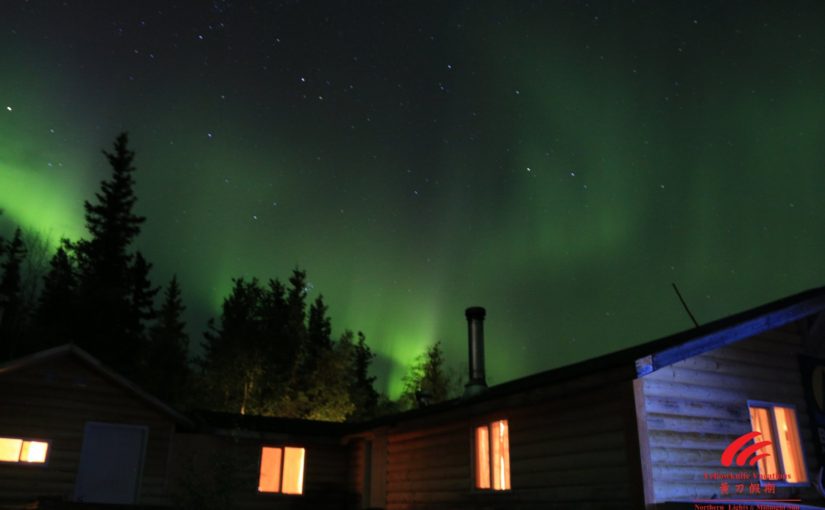
Imagine standing beneath a vast northern sky as ribbons of green, purple, and sometimes pink light ripple above a peaceful Canadian landscape. The air is crisp, the surroundings are quiet, and the Northern Lights transform an ordinary evening into an unforgettable experience. This is what makes Yellowknife, in Canada’s Northwest Territories, such an appealing destination for travellers hoping to witness the Aurora Borealis.
Planning your first Northern Lights trip can feel overwhelming. You might wonder when to visit, how cold it will be, what activities are included, or whether you need to arrange transportation and accommodation separately. A well-planned Yellowknife aurora tour package can simplify these details by bringing together guided viewing experiences, transportation, accommodation options, and additional winter activities.
However, every package is different. Some focus primarily on aurora viewing, while others combine several nights of Northern Lights excursions with hotel stays, airport transfers, winter clothing, and local sightseeing. Understanding these differences before booking helps you choose an experience that matches your travel style, comfort level, and budget.
In this guide, we will explore what you can expect from an aurora tour package, how to prepare for your trip, which activities you might enjoy, and how to make the most of your time in Yellowknife.
Why Choose Yellowknife for Northern Lights Viewing?
Yellowknife is widely recognised as a destination for Northern Lights tourism because of its location beneath the auroral oval, a region where auroral activity frequently occurs. The surrounding landscapes also provide opportunities to view the night sky away from bright city lights, making it easier to appreciate the aurora when weather conditions cooperate.
Unlike a trip where you simply hope to see the lights from your hotel, a guided package can take you to designated viewing locations selected for darkness, accessibility, and current conditions. Depending on the operator, you might visit a heated viewing cabin, travel along a dark highway, or spend time near a lake or wilderness setting. Each location offers a different atmosphere, and moving between locations may help when cloud cover affects visibility in one area.
Another advantage is the opportunity to learn from local guides. They can explain how auroras form, monitor changing weather conditions, and provide practical advice about viewing and photography. Their experience can make the outing more comfortable, particularly if you are unfamiliar with Arctic conditions.
Yellowknife is also more than a Northern Lights destination. You can explore Old Town, learn about local history, experience regional food, and book seasonal outdoor adventures. Combining these activities with evening aurora excursions creates a more complete travel experience rather than making your entire trip dependent on a single natural event.
Yellowknife’s Unique Location
The Northern Lights appear when charged particles from the Sun interact with Earth’s magnetic field and upper atmosphere. These interactions produce the colourful displays that observers see in the sky. Green is a common colour, although other colours can appear depending on atmospheric conditions and the altitude at which the emissions occur.
Yellowknife’s position beneath the auroral oval makes it an attractive place to plan an aurora-focused holiday. However, location alone does not guarantee a sighting. Clear skies, darkness, auroral activity, and viewing conditions all influence what you can see on a particular night.
This is one reason guided excursions can be helpful. Instead of remaining at one location regardless of conditions, some operators monitor the sky and move their groups when appropriate. Others provide a fixed viewing base with shelter and amenities. Neither approach guarantees a display, but both can make the experience more organised and enjoyable.
The Best Time to See the Aurora
Yellowknife offers popular aurora-viewing opportunities from late summer through early autumn and during the darker months extending through winter into early spring. The best time for your visit depends on your preferences, travel schedule, and tolerance for cold weather.
Autumn often offers milder temperatures than midwinter and opportunities to see the aurora against landscapes that are not yet covered in deep snow. Winter brings long, dark nights and snowy scenery, but it also requires more preparation for extreme cold.
When planning your trip, consider the experience you want rather than focusing on a single month. If you enjoy winter activities, a visit during the snowy season may be ideal. If you prefer more moderate temperatures, late summer or early autumn may be a better fit.
Keep in mind that aurora visibility depends on cloud cover, solar activity, and local conditions. Booking multiple viewing evenings gives you additional opportunities to see the lights if the weather is unfavourable on one night.
What Is Included in a Yellowknife Aurora Tour Package?
One of the most important things to understand is that not every Yellowknife aurora tour package includes the same services. Some offers cover guided aurora outings only, while others provide a complete itinerary with accommodation, transfers, winter clothing, meals, and daytime activities.
Before making a booking, read the inclusions and exclusions carefully. A package that initially appears inexpensive may require separate payment for airport transportation, equipment rental, meals, or additional viewing nights. A more comprehensive package might cost more upfront but provide better value once you calculate the total trip expense.
Guided Aurora Viewing Experiences
Guided aurora viewing is usually the main attraction. Depending on the package, the experience may involve travelling to a designated viewing site, relaxing at a heated cabin, or joining a mobile aurora hunt that moves between locations as conditions change.
A fixed viewing site can be appealing if you want a relaxed evening with shelter, seating, and warm drinks. A mobile tour may suit travellers who prefer flexibility and want the guide to consider different locations throughout the night. Some packages combine both approaches across several evenings.
Guides may also explain how to interpret aurora forecasts, help you prepare your camera, or take photographs of guests beneath the lights. These services vary, so confirm whether photography assistance or professionally taken images are included in your booking.
Remember that the Northern Lights are a natural phenomenon. Even experienced guides cannot control solar activity or the weather, and no legitimate operator can promise a bright display every night. Booking several viewing evenings gives you more opportunities to experience the aurora if conditions are unfavourable on your first night.
Transportation and Airport Transfers
Transportation can make a substantial difference to your overall experience, particularly if you are visiting Yellowknife for the first time. Many guided packages offer pickup from selected hotels or meeting points, followed by transportation to the viewing area and a return journey after the excursion.
Some multi-day packages also include airport transfers. This can be convenient when arriving in an unfamiliar destination, especially during winter, when driving conditions and temperatures may make independent travel more demanding.
However, you should never assume every transfer is included. A tour might cover hotel pickup for evening excursions but exclude airport transportation. Another package may include shared transfers but charge extra for private transportation or pickups outside its designated service area.
Before booking, confirm the pickup location, departure time, expected return time, luggage arrangements, and whether transfers are available on your arrival and departure dates. Clear arrangements allow you to concentrate on the experience instead of worrying about late-night transportation.
Accommodation and Winter Clothing
Accommodation is another major consideration when comparing packages. Some offers include several nights in a hotel, while others cover only the aurora excursions and leave you responsible for booking your own stay. Higher-priced itineraries may offer different hotel categories or private arrangements, depending on the operator.
Think about your sleeping schedule as well. Aurora tours frequently run late into the night, so comfortable accommodation can make it easier to rest between excursions. If you plan to join daytime activities, choose an itinerary that leaves sufficient time to recover after a late return.
Winter clothing is equally important. Some packages include an Arctic outerwear kit, while others provide clothing rental for an additional fee or expect guests to bring their own equipment. Confirm exactly what is covered, including insulated parkas, snow pants, boots, mittens, hats, and neck protection.
For winter trips, ask whether clothing rental is available in your size and whether the equipment is suitable for the expected conditions. Having the right gear can make the difference between enjoying the night sky and spending the entire outing thinking about how cold you feel.
What Happens During an Aurora Tour?
If this is your first Northern Lights excursion, knowing what the evening looks like can help you feel prepared. Although schedules differ between operators and seasons, many tours follow a similar pattern: pickup, travel to a viewing location, a period of observation, and a return to your accommodation.
Evening Pickup and Travel to Viewing Locations
Your evening may begin with a pickup from your hotel or a designated meeting point. The guide will usually explain the schedule, any safety instructions, and what to expect at the viewing location. Depending on the package, you may travel directly to a viewing camp or make several stops during a mobile aurora hunt.
Once you arrive, the guide may help you find a suitable place to watch the sky and explain how to use your camera or smartphone in low-light conditions. If the package includes a heated cabin, you may be able to warm up indoors between periods outside.
Be prepared for a late night. The exact departure and return times depend on the operator, season, and viewing conditions. You may spend several hours away from your hotel, so eat beforehand, bring any personal essentials you need, and dress for the actual outdoor conditions rather than the temperature inside the vehicle.
Waiting for the Northern Lights
One of the most surprising aspects of an aurora tour is that you may need to wait. Sometimes the lights appear quickly and become bright enough to capture everyone’s attention. On other nights, the sky may remain quiet for long periods, or clouds may obscure the display.
Patience is part of the experience. You might spend time talking with other travellers, enjoying a hot drink, photographing the landscape, or simply appreciating the silence of the northern wilderness. If the guide decides that another location offers better conditions, your group may move, depending on the tour format.
Keep your expectations realistic. A faint aurora can look different from the dramatic green ribbons often seen in photographs, and camera settings can make colours appear more vivid than they look to the naked eye. A strong display is wonderful, but a quiet night beneath a clear northern sky can still be memorable.
The most useful approach is to think of your tour as an opportunity to experience the Arctic night, with the aurora as the highlight rather than a guaranteed performance.
Activities You Can Enjoy During Your Trip
A well-planned Yellowknife holiday does not have to begin at sunset and end when the Northern Lights disappear. Daytime activities give you a chance to discover the area’s landscapes, history, and culture while making the most of your travel budget.
When comparing packages, look for a balance between evening excursions and daytime experiences. You do not need to fill every available hour with an activity. Since aurora tours may finish late, leaving time for meals, rest, and independent exploration can make your trip much more enjoyable.
Dog Sledding and Snow Adventures
Winter offers opportunities to experience the northern landscape beyond the city. Depending on the season and operator, you may be able to book dog sledding, snowshoeing, ice fishing, or snowmobiling as part of your package or as separate excursions.
Dog sledding is particularly appealing to travellers who want to experience a traditional form of winter transportation while exploring snowy surroundings. Snowshoeing offers a slower way to discover the landscape, while ice fishing introduces visitors to a popular cold-weather activity in the region.
These experiences are generally seasonal, and availability depends on weather, snow and ice conditions, and the operator’s schedule. Activities involving frozen lakes should only take place under the supervision of qualified operators who follow current local safety guidance.
Before adding an excursion, check its duration, equipment requirements, age restrictions, and transportation arrangements. You should also consider how physically demanding it may be and whether it leaves enough time to rest before your next aurora outing.
Local Culture and Yellowknife Sightseeing
Yellowknife has a character that extends beyond its reputation for Northern Lights viewing. A city tour can introduce you to local landmarks, northern history, and the relationship between the community and the surrounding landscape.
You might explore Old Town, enjoy views around Great Slave Lake, or visit museums and cultural attractions, depending on opening hours and your itinerary. These experiences provide context for the destination and give you something meaningful to do during daylight hours.
If your package includes Indigenous cultural experiences, take time to understand what the activity involves and how it is presented by its hosts. Choose experiences led by or developed with local Indigenous communities, and follow the guidance provided about photography, cultural protocols, and respectful participation.
You can also explore local cafés, restaurants, and shops at your own pace. These smaller moments often become an important part of a trip, especially when they give you a chance to connect with the place beyond the main attraction.
How Many Nights Should You Book?
The number of nights you spend in Yellowknife can influence your chances of seeing the Northern Lights and how relaxed your overall itinerary feels. A single evening might be sufficient if the weather cooperates and the aurora is active, but it leaves little room for changing conditions.
For many first-time visitors, three nights of aurora viewing is a practical starting point. It gives you several opportunities to observe the sky and allows some flexibility if clouds interfere with an earlier outing. A four-night stay can provide even more flexibility, especially if Northern Lights viewing is the main reason for your trip.
A shorter two-night visit may suit travellers with limited time, but cloudy conditions on both nights could reduce viewing opportunities. Staying for four nights or longer allows more time to explore local attractions and book additional seasonal activities, although it also increases accommodation and travel costs.
The duration alone does not determine whether you will see the aurora. Several cloudy nights may provide fewer viewing opportunities than one clear night, and additional nights cannot guarantee a sighting.
You should also account for travel time to Yellowknife. If you are arriving on an international or connecting flight, avoid planning a demanding activity immediately after a long journey. Similarly, leave a reasonable buffer before your departure flight so that your final night does not create unnecessary scheduling pressure.
A good itinerary gives the Northern Lights several opportunities to appear while allowing you to enjoy Yellowknife even if conditions are not perfect.
What Should You Pack for Your Aurora Tour?
Your packing list depends on the season, the length of your stay, and the services included in your package. Autumn visitors may need comfortable layers and weather-resistant outerwear, while winter travellers should prepare for much colder conditions and potentially long periods outdoors.
During winter, think in layers rather than relying on one heavy jacket. A moisture-wicking base layer helps keep sweat away from your skin, an insulating middle layer traps warmth, and an outer layer protects against wind and precipitation. Avoid cotton as your primary base layer for prolonged exposure to severe cold because it can retain moisture.
Pay special attention to your hands, feet, face, and head. Insulated mittens, warm boots with enough room for socks, a winter hat, and suitable face protection are important when you are standing outside waiting for the aurora. Check the forecast and ask your operator whether additional Arctic-rated equipment is required.
Bring a camera or smartphone if you want to capture the experience. A tripod and the ability to adjust exposure settings can help you photograph the Northern Lights more effectively. Cold temperatures can reduce battery performance, so keep spare batteries close to your body when practical.
You should also pack personal medications, travel documents, a portable charger, lip balm, moisturiser, and other essentials suited to cold, dry weather. Most importantly, confirm whether your tour package includes winter clothing before buying or renting equipment separately.
Follow the operator’s safety instructions, take warm-up breaks, and head indoors if you develop concerning symptoms such as persistent shivering, numbness, or loss of dexterity. Staying comfortable and safe is far more important than remaining outside for one more photograph.
How to Choose the Right Aurora Tour Package
With several package styles available, the best choice is not necessarily the one with the most activities or the lowest advertised price. Instead, look for an itinerary that meets your priorities, explains its inclusions clearly, and gives you realistic expectations about the Northern Lights.
Start by deciding what matters most to you. If seeing the aurora is your primary goal, prioritise multiple viewing nights and a reliable guided experience. If you also want to explore the region, consider a package that includes accommodation, sightseeing, and optional outdoor adventures.
Next, compare the total cost rather than looking only at the headline price. Account for accommodation, airport transfers, meals, winter clothing, extra activities, taxes, and any required gratuities. If you are travelling with family or friends, check whether the price is calculated per person, per room, or per private group.
Also consider group size. Shared tours can be a cost-effective way to travel, while small-group or private experiences may offer a more personalised atmosphere. A heated viewing base may suit travellers who value comfort, whereas a mobile tour may appeal to people who want flexibility when conditions change.
Before paying, request a written itinerary and ask questions about accessibility, children, dietary requirements, photography, and late-night returns. If the operator advertises a sighting guarantee, read the precise terms carefully rather than assuming that a refund or free additional night will automatically be offered.
The most suitable Yellowknife aurora tour package is one that fits your budget, travel dates, comfort requirements, and expectations. Clear inclusions and a realistic plan will usually matter more than a long list of extras.
Conclusion
A trip to Yellowknife offers much more than the possibility of seeing the Northern Lights. From guided aurora excursions and comfortable viewing locations to winter adventures and local sightseeing, the experience can combine natural beauty with opportunities to discover Canada’s northern culture and landscapes.
Choosing the right Yellowknife aurora tour package makes planning easier by helping you organise transportation, accommodation, viewing experiences, and seasonal activities. Before booking, compare the inclusions, check the weather and clothing requirements, and consider staying for at least three aurora-viewing nights to give yourself more opportunities to see the lights.
Most importantly, keep your itinerary flexible. The Northern Lights are a natural phenomenon, and their appearance cannot be guaranteed. With realistic expectations, suitable preparation, and enough time to explore, you can enjoy a memorable northern adventure even when the sky has other plans.
Ready to plan your Northern Lights adventure? Explore available Yellowknife aurora tour packages, compare itineraries, and choose an experience that suits your travel dates and budget. Book your trip today and prepare to discover the magic of the Canadian North!
