

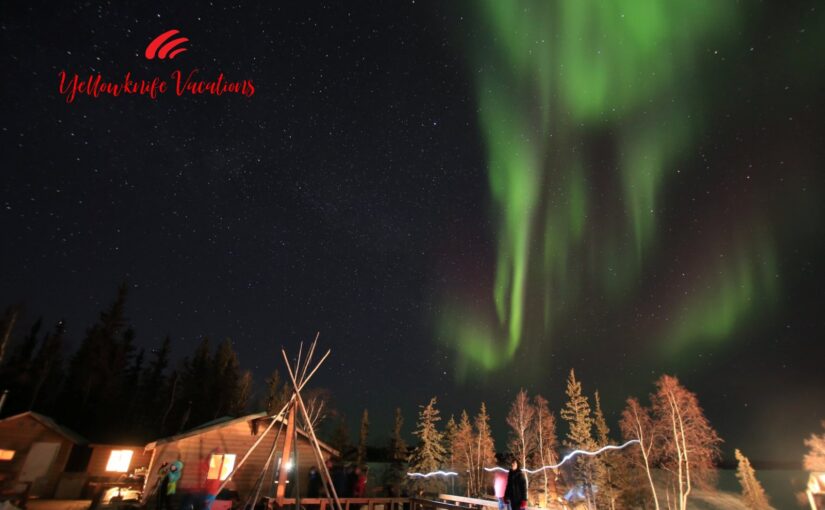
The Yukon, located in northwestern Canada, is a remarkable destination for travelers hoping to experience the beauty of the Northern Lights. With its expansive wilderness, dark skies, mountain landscapes, and opportunities for guided aurora tours, the region offers an unforgettable setting for viewing the Aurora Borealis.
Whether you are planning a romantic getaway, a winter adventure, or a photography-focused trip, the Yukon combines natural beauty with unique northern experiences. Exploring Northern lights canada packages can help you plan your journey by comparing accommodation, guided tours, transportation, and seasonal activities.
Why Is the Yukon One of Canada’s Best Northern Lights Destinations?
The Yukon is known for its remote landscapes and relatively low light pollution outside populated areas. These conditions can provide excellent opportunities to observe the Aurora Borealis when solar activity and weather conditions are favorable.
Its northern location also makes it a popular destination for aurora enthusiasts. Visitors can travel beyond city lights to enjoy expansive views of the night sky while experiencing the peaceful atmosphere of Canada’s wilderness.
Although the Northern Lights are a natural phenomenon and cannot be guaranteed on a specific night, spending several nights in the region can increase your opportunities to see them.
Whitehorse: A Great Base for Aurora Viewing
Whitehorse, the capital of the Yukon, is a convenient starting point for exploring the region and joining Northern Lights tours. It offers accommodation, restaurants, local attractions, and access to guided excursions outside the city.
Many tour operators organize evening trips to dark-sky locations where visitors can wait for the aurora to appear. Depending on the tour, experiences may include heated viewing shelters, transportation, photography guidance, and refreshments.
During the daytime, travelers can explore local museums, enjoy scenic drives, visit nearby natural attractions, or experience seasonal outdoor activities.
Whitehorse is especially suitable for travelers who want to combine aurora viewing with comfortable accommodation and opportunities to explore the Yukon beyond the night sky.
The Best Time to See the Northern Lights in the Yukon
Timing is an important part of planning a Northern Lights trip. The Yukon generally offers aurora-viewing opportunities from late August through early April, when nighttime darkness makes the aurora easier to observe.
Late August and September
Late summer and early autumn bring darker nights back to the Yukon. September can be particularly appealing to visitors who prefer cooler weather without the extreme cold of midwinter.
The surrounding landscapes may feature autumn colors, providing beautiful scenery for photography and outdoor exploration.
October and November
As autumn progresses, nights become longer and temperatures fall. These months offer opportunities for guided aurora excursions and a transition toward the region’s winter landscapes.
Travelers should prepare for colder conditions and check whether tours include transportation and appropriate outdoor equipment.
December and January
Winter brings long nights and snowy scenery, creating an atmospheric setting for Northern Lights viewing. However, temperatures can become extremely cold, so suitable clothing and careful planning are essential.
Visitors may also be able to enjoy seasonal experiences such as dog sledding and other winter activities, depending on availability.
February and March
February and March are attractive months for travelers seeking a classic Yukon winter adventure. Nights remain dark enough for aurora viewing, while daytime activities provide opportunities to explore the surrounding wilderness.
March can offer a balance of nighttime viewing and longer daylight hours for sightseeing.
Regardless of the month, cloud cover and solar activity affect visibility. Plan to spend several nights in the region rather than relying on a single opportunity.
What Makes the Yukon Aurora Experience Special?
The Yukon offers more than the chance to see colorful lights in the sky. Its remote environment and outdoor experiences allow visitors to enjoy a wider Canadian wilderness adventure.
1. Dark-Sky Viewing Locations
Traveling away from artificial lights can improve viewing conditions. Guided tours often take visitors to locations selected for their surroundings and accessibility, giving them opportunities to observe the sky in a darker environment.
2. Spectacular Natural Scenery
The Yukon features mountain ranges, forests, frozen lakes, and wide-open landscapes. These surroundings create beautiful settings for photography and make the region appealing even when the aurora is not visible.
3. Unique Winter Activities
Depending on the season and package, visitors may be able to enjoy dog sledding, snowshoeing, wildlife experiences, and other outdoor adventures. Combining daytime activities with evening aurora tours can make the trip more rewarding.
4. Local Culture and Northern Heritage
Travelers can learn about Yukon’s history and northern communities through museums, cultural experiences, and local attractions. Choosing respectful, locally guided experiences can also provide a deeper understanding of the region.
5. Opportunities for Photography
The Yukon can provide excellent settings for night-sky photography. With a suitable camera or smartphone, visitors may capture the aurora against mountain silhouettes, snowy forests, or expansive northern skies when conditions align.
What to Look for in Northern Lights Canada Packages
Choosing the right travel package can make planning easier, especially if you are visiting the Yukon for the first time. Comparing Northern lights canada packages helps you understand what is included and select an option that suits your budget and travel preferences.
Before booking, review the following features:
-
Accommodation: Compare hotels, lodges, and other available stays based on comfort, location, and price.
-
Guided aurora tours: Check how many evening excursions are included and whether transportation to viewing locations is provided.
-
Airport transfers: Confirm whether transfers between the airport and your accommodation are included.
-
Winter clothing: Some operators provide thermal suits, boots, or other cold-weather equipment. Check the details before traveling.
-
Additional activities: Look for optional experiences such as dog sledding, snowshoeing, sightseeing, or cultural tours.
-
Meals and refreshments: Review whether meals, snacks, or hot drinks are part of the package.
-
Booking policies: Understand cancellation terms, rescheduling options, and what happens if weather conditions affect a tour.
Package inclusions vary by operator, so read the itinerary carefully before making your reservation. Flights and some activities may need to be booked separately.
Tips for Planning a Successful Yukon Aurora Trip
A little preparation can help you enjoy your trip more comfortably and make the most of your time in the Yukon.
Book several nights: Staying for three to five nights gives you multiple opportunities to see the aurora if weather conditions are unfavorable on one evening.
Dress for northern weather: Bring insulated boots, thermal layers, gloves, a warm hat, and suitable outerwear. Temperatures can drop significantly during winter nights.
Check the weather forecast: Clear skies are important for viewing. Monitor local forecasts and follow guidance from your tour provider.
Choose flexible activities: Daytime sightseeing and outdoor adventures help make your trip worthwhile even if the Northern Lights do not appear.
Prepare your camera: Learn how to use night mode or manual camera settings before your trip. A tripod can be useful for long-exposure photography.
Follow local safety advice: Remote areas and winter conditions require care. Travel with experienced guides when appropriate and follow instructions about safe viewing locations.
Remember that no destination or tour operator can guarantee an aurora sighting. Good planning improves your opportunities but cannot control natural conditions.
Yukon or Yellowknife: Which Destination Should You Choose?
Both the Yukon and Yellowknife in the Northwest Territories are popular choices for Northern Lights travel, but they offer somewhat different experiences.
The Yukon is an excellent option for travelers who want to combine aurora viewing with mountain scenery, wilderness exploration, and winter adventures around Whitehorse.
Yellowknife is also well known for aurora viewing and offers a variety of guided tours and dedicated viewing experiences. Your choice may depend on available flights, accommodation, tour inclusions, travel dates, and preferred activities.
Compare both destinations based on your priorities rather than assuming that one will always provide better viewing conditions. Weather, cloud cover, and aurora activity can vary from night to night.
Plan Your Northern Lights Adventure in the Yukon
The Yukon offers a memorable combination of dark skies, beautiful wilderness, winter activities, and guided aurora experiences. From exploring Whitehorse to visiting remote viewing locations, travelers can enjoy much more than a chance to see the Aurora Borealis.
The best trip starts with choosing suitable travel dates, allowing enough nights for viewing, and selecting a package that matches your interests and budget.
Explore available Northern lights canada packages to compare Yukon tours, accommodation, transportation, and exciting seasonal activities. Contact us today to find a package that suits your travel plans and start organizing your unforgettable Aurora Borealis adventure!
